Picking the proper storage unit size saves you money and hassle. Get it wrong, and you’ll either pay for space or struggle to fit your belongings. This guide helps you find the perfect size for your needs.
Understanding Storage Unit Sizes
Storage units range from 25 sq ft lockers to 300+ sq ft warehouse spaces. Each size suits different storage needs and budgets. Storage units vary in height, typically around 10 ft., except for lockers, which are 3 ft. high.
25 sq ft – Small Closet Contents
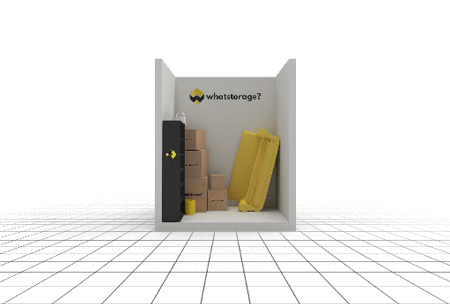
This compact unit fits the contents of a home closet. Store extra mattresses, boxes filled with clothes, books, files, and other small items. Perfect for students or anyone decluttering one room. A 25 sq. ft. unit is ideal for storing the contents of a studio flat.
35 sq ft – Garden Shed Size
At approximately 7 feet x 5 feet, this unit matches a standard garden shed. Great for storing the contents of a one-bedroom flat and holds around 35 medium boxes. Ideal for small flat moves or seasonal storage.
50 sq ft – Half a Car Garage
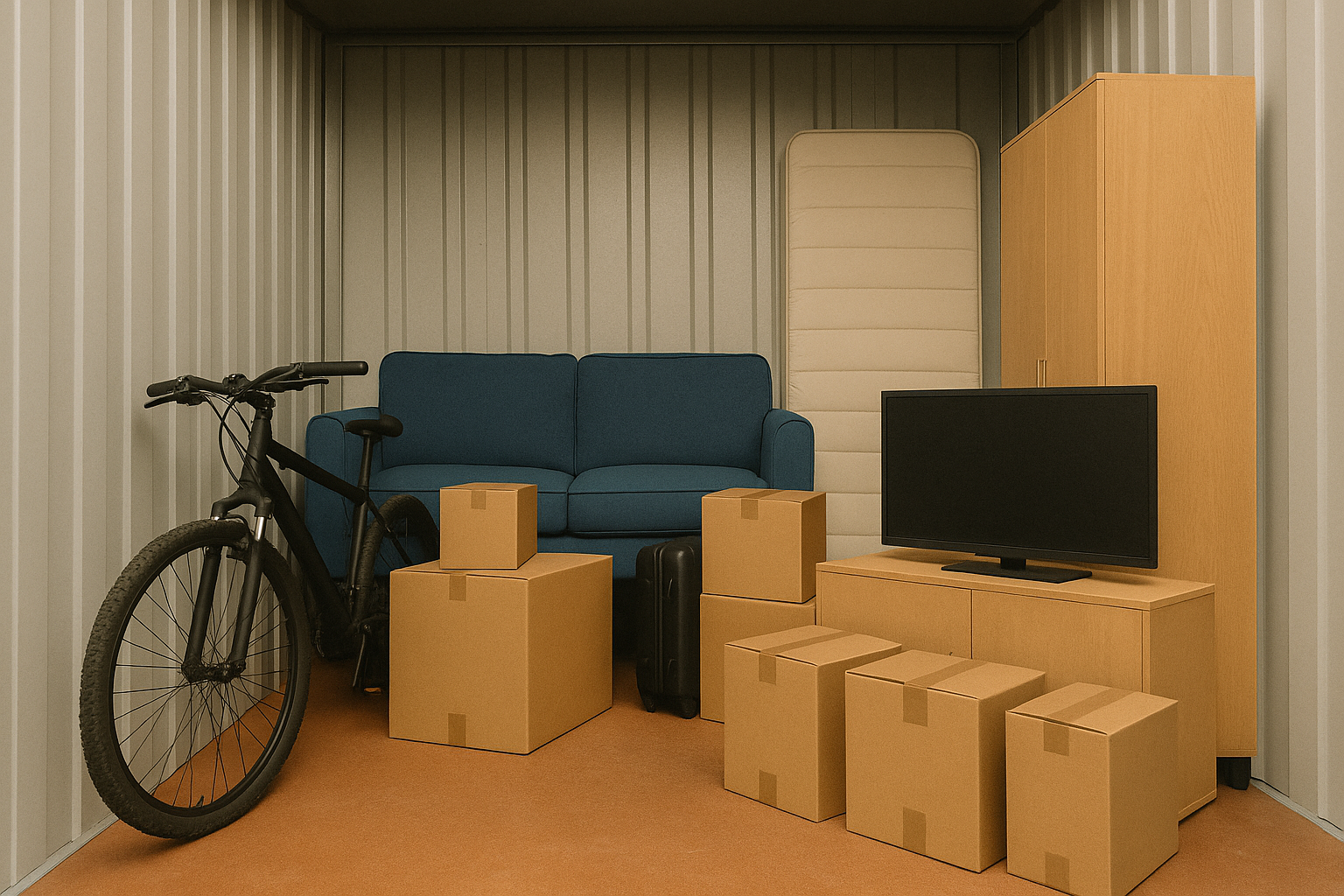
Usually measuring 5ft x 10ft or 10ft x 5ft, this space is equivalent to half the size of your car garage. Comfortably fits all contents of a studio apartment, including mattresses, furniture, office equipment, and decorative items.
75 sq ft – Two Bedroom Townhouse
This size accommodates contents from a two-bedroom townhouse. Perfect when transitioning between homes. Holds mattresses, cabinets, bookcases, large appliances, files, and more.
100 sq ft – Standard Garage Size
Equivalent to a standard home garage, this unit stores items from your office or two-bedroom home. Popular for both personal and business storage needs. A 100 sq. ft. unit is about the size of a single garage and is ideal for a medium office move.
150 sq ft – Three Bedroom House
Plenty of room for a three-bedroom house’s contents. Fits complete dining sets, big screen TVs, and other large furniture or appliances you need to store. A 200 sq. ft. unit can store the contents of a four-bedroom house.
200 sq ft – Vehicle Storage Plus
Large enough for vehicles like boats and cars, with space remaining for outdoor equipment, boxes, and small personal items. Ideal for seasonal vehicle storage.
Van Size Reference Points
Understanding van capacities helps estimate your storage needs:
Transit Van: Holds approximately 35 sq ft worth of belongings – perfect for moving double bedroom contents into a 35 sq ft storage unit.
Luton Van: Accommodates around 75 sq ft worth of space. If you need a Luton van for your move, you’ll likely need a 75 sq ft storage unit.
These van comparisons give you a practical way to visualise how much space you need.
Room-by-Room Planning
Studio Flat Storage
A 50 sq ft unit typically handles everything from a studio flat. This includes your bed, small sofa, desk, wardrobe contents, kitchen items, and personal belongings. A 50 sq. ft. unit is approximately the size of half a single garage.
One Bedroom Flat
Most one-bedroom flats require 35-75 sq ft, depending on the quantity of furniture. A furnished flat with numerous belongings requires a larger space, whereas a minimally furnished space can fit in as little as 35 sq ft. A 35 sq. ft. storage unit is suitable for the contents of a double bedroom, including a double bed and wardrobe.
Two Bedroom House
Plan for 75-100 sq ft for a typical two-bedroom house. Larger homes with substantial furniture collections might need 150 sq ft.
Three Bedroom House
A 150 sq ft unit accommodates most three-bedroom houses, including dining room furniture, multiple bedroom sets, and living room contents. A regular garage size is about 100 sq. ft. and can hold the contents of a three-bedroom house (excluding kitchen appliances).
Vehicle Storage Requirements
Car Storage
Standard cars need approximately 100 sq ft, but many facilities offer dedicated vehicle storage areas. Check if your facility offers drive-up access for more effortless loading.
Motorcycle Storage
Motorcycles fit comfortably in units ranging from 25 to 50 sq ft, depending on additional gear storage needs.
Boat Storage
Small boats require units of 200 sq ft or more. Larger vessels need 250-300 sq ft spaces. Many facilities offer specialist boat storage with appropriate access.
Seasonal and Rotational Storage
Holiday Items
Christmas decorations, summer furniture, and seasonal clothes typically need 25-35 sq ft. A garden shed-sized unit handles most families’ seasonal storage.
Sports Equipment
Bicycles, golf clubs, skiing gear, and camping equipment vary in space requirements. Factor in awkward shapes when calculating needs.
Toy Rotation
Families often store toys in rotation. A 25 sq ft unit accommodates several boxes of toys, keeping your home tidy whilst maintaining variety for children.
Box Calculations
Medium-sized boxes stack efficiently and protect belongings. Here’s what different unit sizes accommodate:
25 sq ft: 15-20 medium boxes plus small furniture
35 sq ft: 35 medium boxes (as specified in our size guide)
50 sq ft: 50-60 medium boxes plus furniture
75 sq ft: 75-90 medium boxes plus larger items
Business and Office Storage
Document Storage
Businesses storing files and documents often start with 25-50 sq ft units. Consider future growth when selecting size.
Inventory Storage
Retail businesses need larger spaces. Calculate based on stock levels and seasonal variations.
Equipment Storage
Office furniture, computers, and equipment require careful planning of space. Dismantle desks and shelving to maximise space.
Making Your Decision
Assess Your Belongings
Walk through your space, room by room. List furniture, boxes, and loose items. Be realistic about quantities.
Consider Access Needs
If you require regular access, opt for a slightly larger unit with clear walkways. Cramped units make retrieval difficult.
Factor in Growth
Your storage needs might increase. Starting with a slightly larger unit often proves more economical than upgrading later.
Budget Considerations
Larger units cost more, but they provide greater convenience. Balance your budget against accessibility and future needs.
Common Sizing Mistakes
Underestimating Space
Belongings always take up more space than expected. Add 20% to your initial estimate.
Forgetting Odd-Shaped Items
Bicycles, golf clubs, and garden tools don’t pack neatly. Account for these awkward items.
Ignoring Vertical Space
Stack boxes to ceiling height where safe. Use shelving to maximise vertical storage.
Poor Access Planning
Don’t pack units solid. Leave walkways for accessing items at the back.
Professional Guidance
Storage facility staff provide valuable sizing advice based on experience. Most facilities offer complimentary consultations to help you select the ideal size.
Site Visits
Visit facilities to see actual unit sizes. Photos don’t always accurately convey real dimensions.
Upgrade Options
Most facilities allow size changes. Begin with your best estimate, then adjust it as needed.
Moving Day Tips
Pack Strategically
Load large furniture first, then fill gaps with boxes. Use every inch efficiently.
Dismantle Furniture
Take apart beds, tables, and wardrobes. Store components vertically against walls.
Protect Belongings
Use dust sheets and proper packing materials. Storage units can be dusty environments.
Long-term vs Short-term Storage
Temporary Storage
House moves often need temporary storage. Choose convenience over cost savings for short periods.
Long-term Storage
Extended storage justifies investing in proper organisation and slightly larger units for easier access.
Vehicle Transportation
Transit Van Hire
Perfect for 35 sq ft worth of belongings. Ideal for studio flats or one-bedroom properties with minimal furniture.
Luton Van Hire
Necessary for 75 sq ft worth of items. Standard choice for a two-bedroom house move.
Multiple Trips
Sometimes multiple carloads work better than van hire. Factor in your time and effort.
Final Size Selection
Start Conservative
Select the smallest size that comfortably accommodates your belongings. You can always upgrade.
Consider Convenience
Slightly larger units often provide significantly more convenience for minimal extra cost.
Plan for Change
Your needs might evolve. Choose facilities offering flexible sizing options.
Find Storage Units in Major UK Cities
Ready to find the perfect storage unit? We’ve partnered with top facilities across the UK’s major cities to help you find the right size unit at competitive prices.
Storage in Major Cities
London Self Storage: From compact 25 sq ft units in central London to larger 200 sq ft spaces in outer zones, find competitive storage options across the capital.
Birmingham Self Storage: Birmingham offers excellent value storage with sizes from garden shed units to warehouse spaces for business storage needs.
Manchester Self Storage: Compare storage facilities across Greater Manchester, with options suitable for student storage, house moves, and business requirements.
Liverpool Self Storage: Find affordable storage units near Liverpool, from small 35 sq ft units to large vehicle storage spaces.
Bristol Self Storage: Explore storage options in Bristol and its surrounding areas, featuring facilities with a range of unit sizes and flexible rental terms.
Each city offers different pricing and availability, so compare options to find the best value for your chosen unit size.
Getting Help
Contact storage facilities directly for personalised advice. Experienced staff can often recommend optimal sizes tailored to your specific requirements.
Most facilities offer flexible rental terms and the option to change sizes, so your initial choice doesn’t lock you in permanently.
Remember: the proper storage unit size strikes a balance between cost, convenience, and capacity. Take time to assess your needs properly – it’s worth getting right from the start.