
Making Space at Home Before the New Year
Making space around your home before the new year doesn’t require a complete overhaul. Most...

Working from home has become the norm for many of us. But here’s the thing – not everyone has the luxury of a separate room for their home office. You might be squeezing a desk into your bedroom corner or transforming the dining table into your workspace every morning. Sound familiar? A home office should reflect personal style and feel energising, moving away from a corporate environment.
The struggle is real when you’re trying to balance productivity with limited available space. Papers pile up, office supplies take over drawers meant for other things, and suddenly your work zone feels more like a storage unit than a productive workspace. Utilising drawer dividers can help compartmentalise small items like pens, clips, and batteries, making it easier to maintain order. Creating a clear desk policy can help reduce clutter and improve focus. But it doesn’t have to be this way.
Whether you’re dealing with a smaller room or need better organisation, the proper storage solutions can transform your home office space. Before organising, it is recommended to declutter your office space. And when things get really cramped, self-storage might be the answer you hadn’t considered.
A cluttered workspace equals an untidy mind. When you can’t find the necessary paperwork or your desk is buried under box files, your productivity takes a hit. Research indicates that visual clutter increases stress and hinders focus. Not exactly what you want during your working day. Incorporating a noticeboard can enhance motivation and organisation.
However, beyond the mental impact, poor storage also affects your physical space. Without proper organisation, your home office can quickly overflow into other areas of your house. Before you know it, work materials are scattered across the kitchen counter, living room, and bedroom. Your entire home becomes an extension of your office – and not in a good way. Using decorative storage boxes and bins can conceal less-used items, files, and cables, while adding texture and visual interest to the office.
When floor space is tight, look up. Your walls offer massive storage potential. Floating shelves above your desk hold books and supplies without eating floor space. Wall-mounted pegboards provide flexible organisation that changes with your needs. Floor-to-ceiling storage units maximise the available space in a home office, making them an excellent option for tight spaces. Bespoke solutions can incorporate floor-to-ceiling shelving and built-in desks, ensuring every inch of space is utilised effectively. Combining open and closed storage options allows for a design-led feel and easy access to essentials.
Corner floating shelves turn dead space into valuable storage. Install them at different heights for visual interest while maximising storage capacity. Floating shelves offer both function and aesthetic value in a small home office, blending practicality with style. Going bespoke allows for maximum usage of the space for storage and complete flexibility, ensuring that even the most awkward corners are put to good use. Cork wall panels can serve as a pinboard for necessary paperwork and reminders.
Your office furniture should offer as much storage as possible. Desks with built-in drawer units handle filing paperwork and supplies. Modern filing cabinets double as side tables or printer stands. Storage ottomans and benches provide dual-purpose functionality, offering hidden storage and extra seating. Incorporating built-in storage units can effectively utilise every inch of room in a home office. Using bespoke units guarantees that space is used effectively in home offices, tailoring the design to your specific needs.
If you’re working in a bedroom, check out clever bedroom storage hacks that translate perfectly to compact home offices.
Desk tidies and vertical organisers keep your immediate workspace clear. Drawer dividers end the hunt for specific items. Cable management systems reduce visual clutter – use clips or under-desk trays to keep wires neat. Rolling storage carts can serve multifunctional purposes in tight spaces, offering flexibility and convenience. Mobile storage units can be handy for multifunctional spaces, allowing for easy rearrangement.
Here’s where things get interesting. Self-storage isn’t just for people moving into a new house anymore. It’s become the secret weapon for home workers overwhelmed by paperwork, business owners with nowhere to store their inventory, and anyone whose home office has outgrown its space.
Think of self-storage as renting an extra room – except it’s cheaper than moving house, available immediately, and sized exactly to your needs. You’re not paying for unnecessary space or locked into long contracts. You get exactly what you need for exactly as long as you need it.
The psychology behind this is powerful. When you know you have secure, accessible storage elsewhere, your home office stops feeling cramped and overwhelming. You can actually focus on work instead of constantly reshuffling items to make space.
Many successful home businesses started with a desk and a storage unit. The desk handled daily operations, while the storage unit managed everything else, including inventory, archives, equipment, and supplies. This combination costs a fraction of commercial office space but provides similar functionality.
Document Archives That Must Be Kept But Rarely Accessed
Every business accumulates paperwork. Tax returns going back seven years. Client contracts from completed projects. Insurance documents, legal papers, compliance records. These documents eat up entire filing cabinets at home, but might be accessed once a year – if that.
A small storage unit becomes your archive room. Organise documents by year in clearly labelled boxes. Create a simple index showing what’s in each box. When you need something, you know exactly where to find it. Meanwhile, your home filing cabinet holds only current, active documents.
Professional service providers find this particularly valuable. Accountants store client records from previous tax years. Consultants archive project documentation. Designers keep portfolio materials and sample books. The pattern is always the same: important materials that need to be kept but don’t need daily access.
Business Inventory and Stock Management
Running an online business from home starts small. A few products in the spare room. Then sales grow and suddenly you’re storing boxes in the bedroom, hallway, and garage. Your home becomes a warehouse and your family isn’t happy about it.
Self-storage solves this instantly. A London self-storage unit near major transport links becomes your distribution centre. Visit weekly to pack orders and restock your home supply. Keep just enough at home for immediate orders while bulk inventory stays organised in storage.
The economics make sense too. A storage unit costs far less than commercial warehouse space but offers similar benefits – secure storage, 24/7 access at many facilities, and room to grow. Start with a smaller unit and upgrade as your business expands.
Seasonal Equipment and Rotating Office Setups
Trade show displays. Exhibition materials. Presentation equipment. Training materials. These items are essential for your business but are used sporadically. Keeping them at home means constantly working around bulky items you’re not using.
Photography equipment provides another example. Professional photographers might own multiple lighting setups, backgrounds, and props. Store the specialised equipment you use for specific shoots, keeping only everyday gear at home.
The same applies to office furniture. That standing desk you’re not currently using? The conference table for occasional client meetings? Extra chairs for workshops? Store them until needed instead of cramming them into corners.
Client Projects and Work-in-Progress Materials
Creative professionals and contractors face unique challenges. Architects store large plan drawings and models. Interior designers keep fabric samples and catalogues. Marketing consultants maintain campaign materials for multiple clients.
These materials are too necessary to throw away but too bulky to keep at home. A storage unit becomes your project archive. Organise by client or project, making retrieval simple when clients request past work or you need reference materials.
Size Selection That Actually Makes Sense
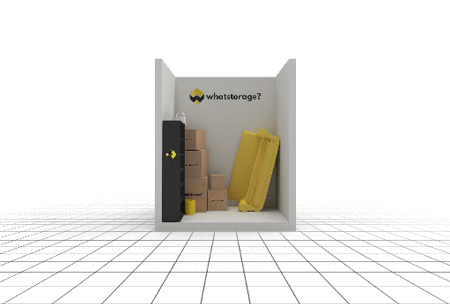
Storage units range from tiny lockers to garage-sized spaces. Here’s what actually fits:
Start smaller than you think you need. You can always upgrade, but you can’t downgrade mid-contract at most facilities.
Location Strategy for Maximum Convenience
Your storage location depends on access frequency. Daily access demands proximity – choose Manchester self-storage facilities near your regular routes if you’re collecting inventory regularly. Weekly or monthly access allows you to prioritise price over proximity.
Birmingham self-storage options near motorway junctions work brilliantly for businesses serving wider regions. You can collect inventory or equipment en route to clients rather than making special trips.
Consider access hours carefully. Standard facilities offer access during business hours plus weekends. If you work irregular hours or might need emergency access, pay slightly more for 24/7 facilities. Bristol self-storage locations often provide extended hours perfect for small business owners juggling day jobs.
Security Features That Actually Matter
Not all security is created equal. Essential features include:
Climate control matters more than people realise. Electronics, leather furniture, important documents, artwork, and some inventory deteriorate in extreme temperatures or humidity. Climate-controlled units cost about 25% more but prevent damage costing far more to repair or replace.
Liverpool self-storage facilities near the docks often specialise in climate control due to maritime humidity – perfect for sensitive business materials.
Real Cost Comparisons
Let’s talk actual numbers. A 50 square foot storage unit typically costs £15-30 weekly depending on location. That’s £60-120 monthly. Compare this to:
The maths is clear. Self-storage provides immediate space at a fraction of alternative costs.
Business users often qualify for tax deductions. Storage costs count as business expenses, reducing your tax bill. Keep receipts and document business use for your accountant. Many self-employed people don’t realise this benefit exists.
Hidden Savings You Haven’t Considered
Reduced home insurance premiums when valuable business equipment moves to insured storage facilities. Less wear on your home from business activities. No need to upgrade your home security for business assets. These indirect savings add up significantly over time.
Compare retail storage furniture costs using this IKEA storage solutions vs self-storage analysis. Buying endless storage furniture for your home often costs more than renting actual storage space.
The Archive System That Actually Works
Inventory Management for Small Businesses
Equipment Storage That Preserves Value
The Hybrid Office Model
Keep your core workspace at home – computer, essential files, daily supplies. Everything else lives in storage. Retrieve items as projects demand, returning them when complete.
This model suits consultants perfectly. Store client-specific materials, bringing them home only during active projects. Your home stays organised while you maintain comprehensive resources.
Scaling Your Storage with Business Growth
Start with a locker for documents. Add a small unit for inventory. Upgrade to larger spaces as needed. This gradual expansion costs less than committing to large spaces immediately.
Many facilities offer multiple units to single customers. Keep documents in a climate-controlled locker while inventory sits in a standard unit. This targeted approach optimises costs.
Creating a Satellite Office
Some businesses use storage units as actual workspace. While you can’t run a business from the unit, you can use it for tasks like:
Check facility rules first, but many allow brief working visits. This transforms dead storage into functional business space.
The magic happens when home organisation and self-storage work together. Your floating shelves hold current projects while archived materials wait in storage. Filing cabinets contain active documents while completed files rest securely off-site.
This integration requires planning. Develop clear criteria for what stays and what stores. Generally, keep items used weekly at home. Monthly items might stay or store depending on space. Quarterly or annual items definitely store.
For more ideas on maximising every room, explore clever utility room storage ideas and utility room ideas that show how multi-functional spaces work. The principles apply perfectly to home offices too. Incorporating decorative elements like plants and artwork can make an office more inviting and comfortable. Using screens and walls to showcase decorative storage can make an office feel inviting and personal, blending functionality with style.
If your office shares living space, lounge storage ideas demonstrate how to balance work and relaxation in the same room.
Your perfect storage solution combines multiple approaches. Wall-mounted shelves and smart furniture maximise your home space. Self-storage handles overflow and occasional-use items. Together, they create a workspace that actually works.
Start by assessing what you have. List everything in your home office. Categorise by frequency of use. Identify items causing space problems. Then decide what could move to storage without affecting daily productivity. Custom designs are ideal for addressing specific storage needs in home offices, allowing you to create a tailored solution that fits your workflow and maximizes efficiency.
Remember, storage units offer flexible terms. Try a small unit for three months. See how it transforms your workspace. Adjust size or location based on actual use. This low-risk approach lets you find the perfect balance.
The fresh start you’ve been seeking might be just one storage solution away. Whether that’s floating shelves at home or a storage unit across town, taking action beats living with chaos.
Your productivity, stress levels, and work-life balance will improve dramatically when your workspace works properly. Make the change today.
Making space around your home before the new year doesn’t require a complete overhaul. Most...

If you're reading this, chances are you're running out of space. Maybe you're stuck between...

Living in London means making the most of limited space. Whether you're in a flat...
Your e-commerce business grew 200% last year. Your spare bedroom has been converted into a...

Your tenancy ends in three weeks. You're heading home for the summer. Your landlord or...

Finding the right self storage unit in London goes beyond comparing prices and sizes. Location...

London life moves fast. One day you're settled in your flat, the next you're facing...

Moving house in London ranks among the most stressful life events. Between coordinating removal dates,...