
Making Space at Home Before the New Year
Making space around your home before the new year doesn’t require a complete overhaul. Most...
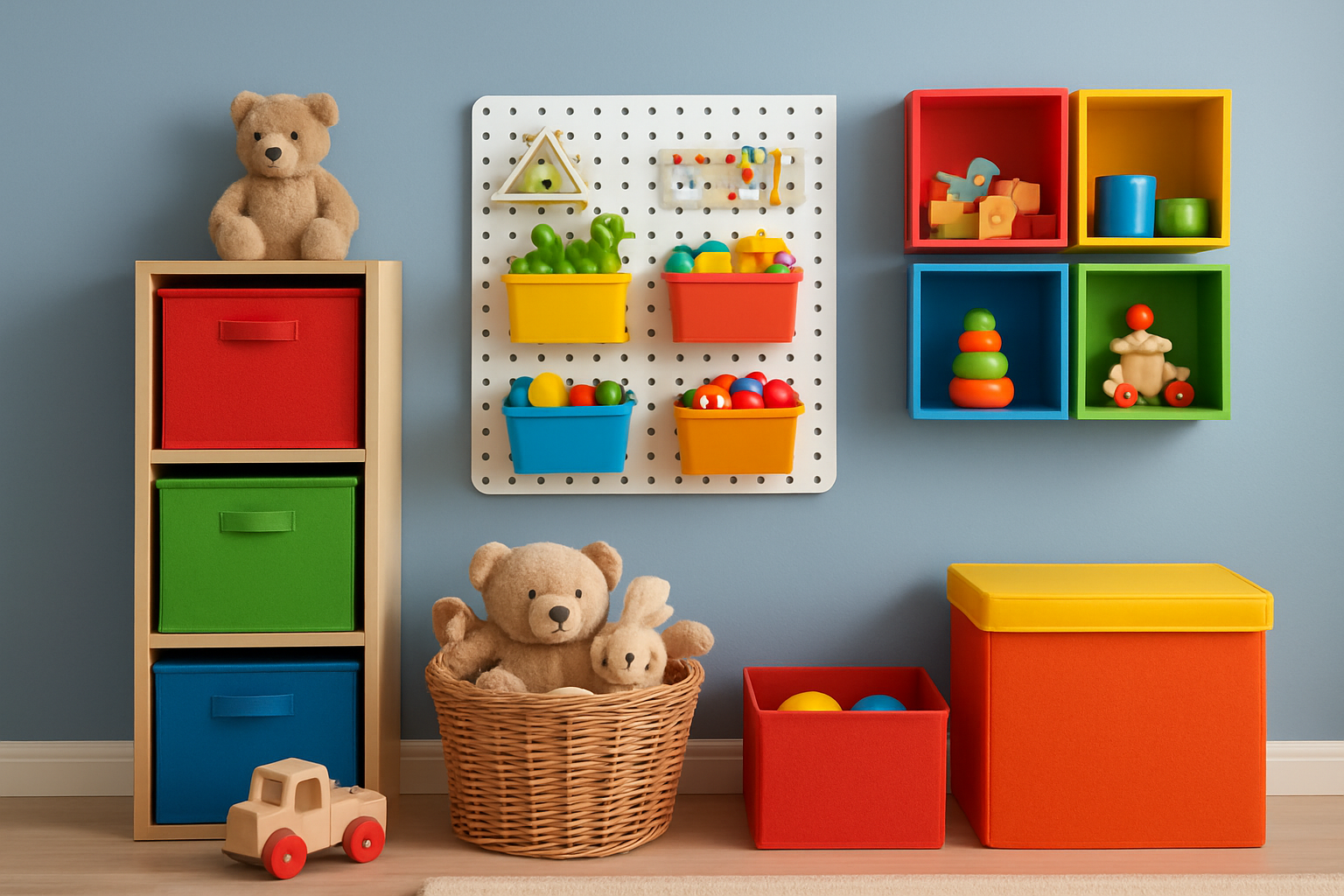
Let’s face it – kids and clutter go together like fish and chips. One minute, your house is tidy, the next it looks like a toy shop exploded. Between birthday presents, hand-me-downs, and those “educational” toys grandma keeps buying, children’s belongings multiply faster than you can say “tidy up time.” Using brightly coloured storage options can make tidying up fun for children, turning cleanup into a more engaging and enjoyable activity.
If you’re drowning in kids’ toys and desperately need storage solutions that actually work, you’re in the right place. We’ll share practical (and fun) ways to tackle the chaos, from clever toy storage ideas for your home to utilising self-storage units when you need extra space.
A cluttered child’s bedroom or playroom isn’t just an eyesore – it affects the whole family home. Kids struggle to find their favourite toys when everything’s buried under piles. You trip over building blocks at 2 am. And good luck finding matching socks when the drawers are overflowing with stuffed animals.
Creating harmony in children’s spaces starts with smart storage. When toys have proper homes, kids learn responsibility. They can actually play without creating instant chaos. And you get your sanity back.
Your walls are prime real estate for storage. Wall-mounted shelves keep toys off the floor while giving kids easy access to their favourites. Install open shelves at different heights – lower ones for younger children to reach independently, higher ones for rotating toys or items you’d rather they ask for first. Additionally, consider using wall-mounted pegboards for toys and supplies, as they allow for customizable and efficient use of vertical space.
Pegboards work brilliantly for hanging storage baskets and fabric bins. You can rearrange them as your child grows and their needs change. Plus, kids love the satisfaction of hanging things up themselves. They are also excellent for organising toys, crafts, and school supplies, making them a versatile storage solution.
Clear storage boxes allow kids to see what’s inside without having to dump everything out. Label them with pictures for non-readers. Group similar items together – building blocks in one, craft supplies in another. Using labelled baskets and boxes helps children understand where to put toys back, fostering independence and keeping play areas tidy.
Coloured crates add personality while keeping things organised. Assign each child their own colour if you’ve got multiple kids sharing space. Wicker baskets and fabric bins soften the look while hiding the mess. They’re perfect for soft toys and dress-up clothes that don’t stack neatly. For added protection, lidded toy storage can prevent dust accumulation and keep contents in better condition.
A storage bench at the foot of the bed serves as both an extra seat and a toy chest. Ottoman storage trunks in the living room hide toys when guests arrive. A bedside table with drawers keeps bedtime books and small toys within reach. Storage benches are handy for concealing larger toys and keeping them off the floor, maintaining a tidy appearance.
Look for beds with built-in storage underneath. These spaces are ideal for storing seasonal items or larger, infrequently used toys. It utilises every inch of space cleverly, rather than cramming more furniture into small spaces. Upgrading to a crib with under-bed storage drawers can also maximise floor space in a nursery. Of course, if you’re considering bigger furniture changes, you might want to check out whether IKEA storage solutions or self-storage make more sense for your family’s needs.
Here’s a game-changer: you don’t need all toys out all the time. Pack half away and rotate them monthly. Kids get excited when they see “new” toys reappear. And you deal with half the mess. Regular toy rotation also encourages children to care for their space and keeps playtime engaging.
Store the “off-duty” toys in clearly labelled boxes. When rotation day comes, it feels like Christmas morning. This works exceptionally well for younger children who haven’t yet mastered the art of putting things away.
The child’s bedroom needs zones – sleep, play, and storage. Use the space under the bed for toy boxes or storage trunks. Install floating shelves to display books and other items. A small bookcase doubles as a room divider in shared bedrooms. For more inspiration on maximising bedroom space, these clever bedroom storage hacks work brilliantly for kids’ rooms too.
Keep frequently used items accessible. That means favourite teddies on the bed, current books on low shelves, and everyday clothes in drawers they can reach.
If you’re lucky enough to have a dedicated play area, make the most of it. Cube storage units with baskets create defined spaces for different activities. One section for arts and crafts, another for toy cars, another for dolls. Cube storage shelves, like the IKEA KALLAX, are versatile and can be customised with bins and baskets to suit your needs.
Sports balls require special consideration – a large mesh bag or corner net helps keep them contained. Building blocks and Lego deserve their own clear containers so kids can find specific pieces. Use clear, zipper storage bags for item-heavy toys, such as LEGO bricks, to keep all pieces together and organised.
Let’s be honest – kids’ stuff infiltrates the living room no matter how hard you try to contain it. Instead of fighting it, plan for it. A stylish storage ottoman or trunk blends with your decor while providing quick hideaway space. You’ll find more family-friendly lounge storage ideas that keep adult spaces looking grown-up despite the toy invasion.
Designate one corner with a small bookshelf and toy baskets. When everything has a place, five-minute tidy-ups before visitors arrive become possible.
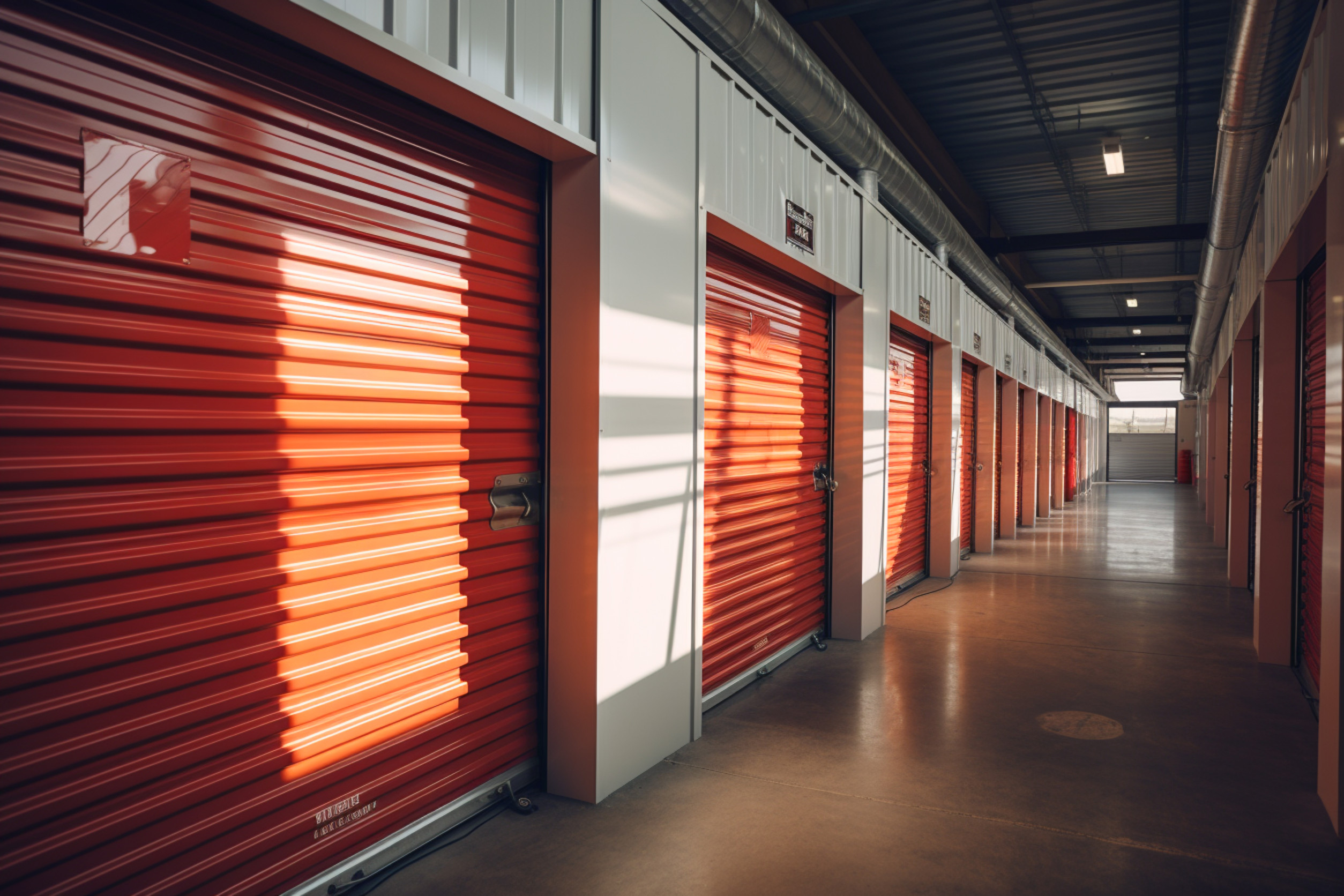
Sometimes, despite your best efforts, you run out of space. That’s where self-storage becomes a parent’s secret weapon. It’s not giving up – it’s being smart about managing the overwhelming amount of stuff kids accumulate.
Seasonal and Holiday Items: Christmas decorations, Halloween costumes, summer pool toys – these take up valuable home storage space 10 months of the year. Pack them properly and store them off-site until needed. One family we know stores twelve boxes of Christmas decorations plus an artificial tree, freeing up their entire loft for everyday storage.
Outgrown But Keeping: Got younger children coming up behind? Or planning another baby? Those barely-worn baby clothes and equipment don’t need to clutter your home right now. A climate-controlled storage unit keeps them in perfect condition. Think pushchairs, Moses baskets, baby monitors, sterilisers – all the kit that costs a fortune but sits unused between children.
School Memory Boxes: Every parent knows the guilt of throwing away their child’s artwork. But keeping every painting, every school project, every certificate? That’s impossible. Many families create annual memory boxes—one per child per school year—and store them in self-storage. Kids can revisit them when they’re older without the boxes taking over your home.
Bulk Toy Rotation: Take toy rotation to the next level. Store several months’ worth of toys in self-storage, bringing home just what you need for the current rotation. This works brilliantly for families in smaller homes, especially in cities like London where self-storage offers a practical solution to flat living with kids.
Sports and Hobby Equipment: Kids try different activities – football one term, gymnastics the next. Store the football goals and training cones when they move on to ballet. Keep the camping gear from Scouts, even if they only go twice a year. The ski equipment from that one family holiday. It all adds up, but you don’t need it cluttering your garage year-round.
Special Occasion Items: That massive birthday party soft play set you bought? The craft supplies for rainy day projects? Store them and retrieve them as needed. Some parents even share a unit with other families, splitting costs for items like party supplies and seasonal decorations.
Most families underestimate how much they can fit in a storage unit. Here’s a realistic guide:
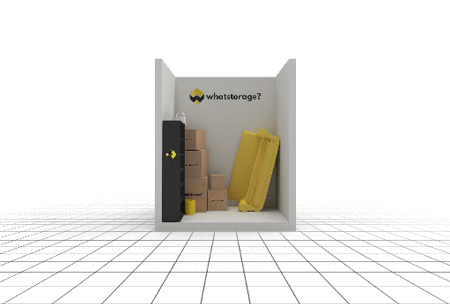
25 sq ft unit (size of a small cupboard): Perfect for 10-15 boxes of baby clothes, a few bags of maternity wear, and some small toys. Ideal for families storing items between children.
35 sq ft unit (size of a garden shed): Fits the contents of a child’s bedroom – single bed, chest of drawers, boxes of toys, bikes, and sports equipment. Great for families renovating or moving house.
50 sq ft unit: Can hold multiple children’s bedroom contents plus seasonal items. Think several bikes, a pushchair, high chair, boxes of clothes, toys, and Christmas decorations.
75 sq ft or larger: Suitable for storing large play equipment, multiple furniture pieces, or an entire household’s worth of children’s items during a house move.
Location matters when choosing storage. You want it accessible, but don’t need to pay premium prices for city centre locations if you’re only visiting monthly. Families in Birmingham often find self-storage in outer areas offers better value while still being convenient for those occasional trips.
Consider access hours, too. Weekend access is essential for most families. Some facilities offer 24/7 access, perfect if you suddenly remember you need that Halloween costume the night before the school disco. Bristol’s self-storage facilities offer particularly flexible access options, while Liverpool storage units often come with great family discounts.
Security features are crucial when storing valuable items, such as bikes or electronic devices. Look for facilities with CCTV, secure access codes, and individual unit alarms. Manchester self-storage providers typically offer viewing appointments, allowing you to inspect the security features and view different unit sizes before committing.
Self-storage doesn’t have to break the bank. Here’s how families make it affordable:
The key to successful self-storage is organisation. You don’t want to empty the entire unit searching for one Halloween costume.
Getting kids on board with organisation makes everyone’s life easier. Here’s how to make tidying less of a battle:
While we’re focusing on kids’ storage, don’t forget about other areas that can provide overflow space. Your utility room might be hiding untapped potential – these clever utility room storage ideas can create extra space for sports equipment or outdoor toys. And if you’re planning a bigger reorganisation, these utility room ideas show how to transform this often-overlooked space into a family organisation hub.
Start small. Don’t try to revolutionise your entire house in one weekend. Pick one area, such as the child’s bedroom, and get that working well first.
Involve kids in decisions. They’re more likely to use systems they helped create. Let them choose between two storage options or pick their basket colours.
Regular decluttering is essential. Every few months, sort through toys together. Broken ones get binned. Outgrown ones are donated to charity or stored. It keeps the volume manageable.
Make tidying part of the routine. Five minutes before bedtime. Quick sort after breakfast on weekends. Little and often beats massive monthly clear-outs.
The best storage systems adapt as your children grow. Those fabric bins that held rattles and soft toys? They’ll work just as well for art supplies and school projects later. The under-bed storage boxes housing board books today can store football boots and sports kit tomorrow.
Think ahead when investing in storage furniture. A high-quality toy chest can also serve as a blanket storage when kids outgrow their toys. Wall-mounted cube units transition from toy displays to book storage, eventually holding their teenage collections.
Self-storage units offer similar flexibility. Start with a small unit of baby equipment for children. Upgrade to a larger space as you accumulate more seasonal items, sports equipment, and those school projects you can’t bear to throw away. Downsize again when kids leave home and take their belongings with them.
Kids’ storage doesn’t have to be a constant battle. With the right mix of home storage solutions and strategic use of self-storage units, you can create spaces that work for your whole family.
Start with the basics – good storage boxes, innovative use of vertical space, and regular rotation. Add multi-functional furniture where you can. And when you need extra space, remember that storage units offer an affordable, flexible solution.
Your home should be a place where kids can play freely and adults can relax. Proper storage makes both possible. Whether that’s clever shelving in the playroom or a storage unit for seasonal items, the goal’s the same: less clutter, less stress, more space to enjoy family life.
Ready to reclaim your home from the toy invasion? Start small, be consistent, and remember – you don’t have to keep everything in your house. Sometimes the most innovative storage solution is the one that’s not in your home at all.
Making space around your home before the new year doesn’t require a complete overhaul. Most...
If you're reading this, chances are you're running out of space. Maybe you're stuck between...

Living in London means making the most of limited space. Whether you're in a flat...
Your e-commerce business grew 200% last year. Your spare bedroom has been converted into a...

Your tenancy ends in three weeks. You're heading home for the summer. Your landlord or...

Finding the right self storage unit in London goes beyond comparing prices and sizes. Location...

London life moves fast. One day you're settled in your flat, the next you're facing...
Moving house in London ranks among the most stressful life events. Between coordinating removal dates,...