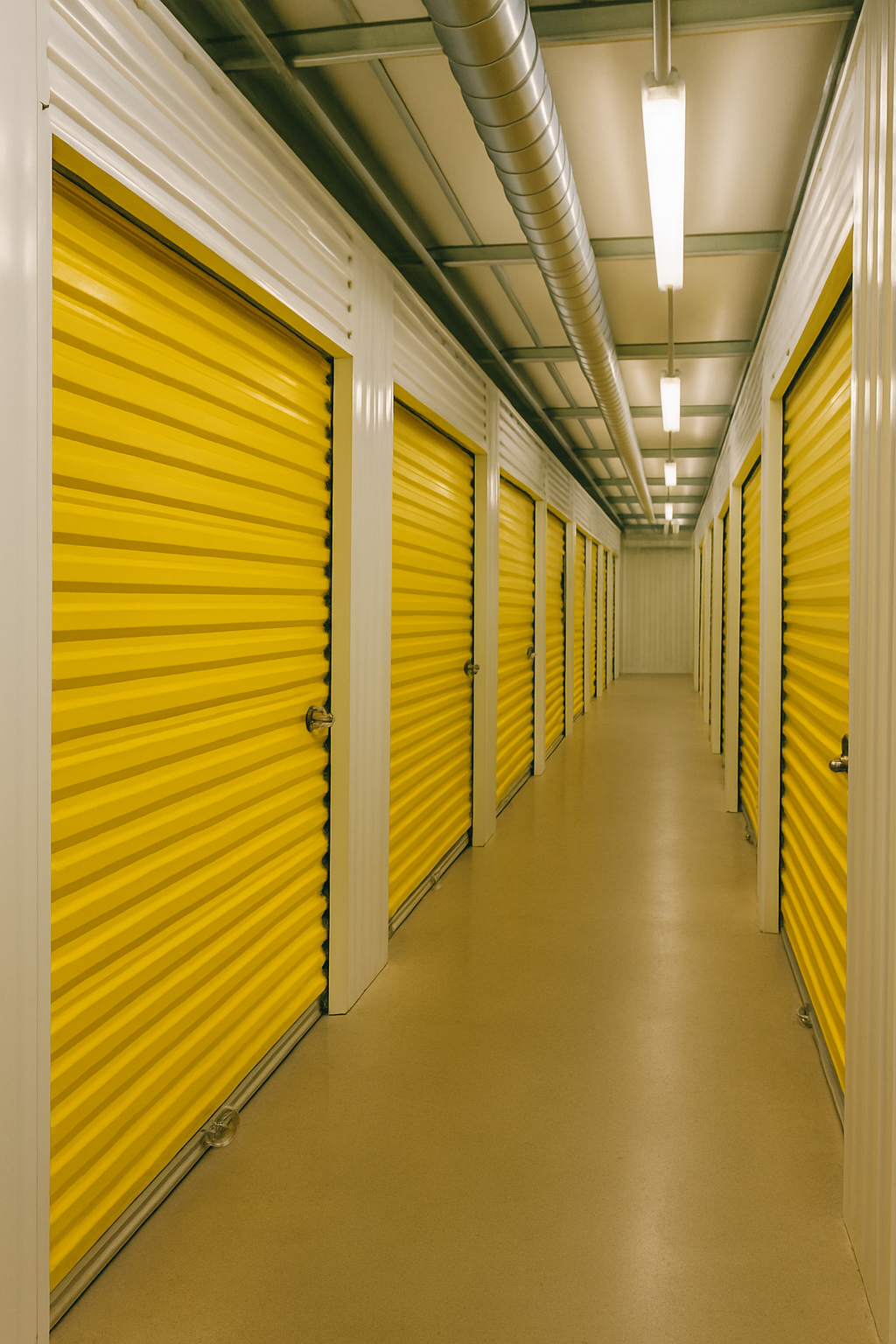
Seasonal Vehicle Preparation for Storage: Keep Your Car Ready
Storing a vehicle seasonally protects it from harsh weather, reduces wear and tear, and frees up space at home. Whether you’re storing a convertible over winter, a motorcycle during off-season, or a classic car between shows, proper preparation keeps your vehicle in top condition whilst in storage.
Many vehicles sit unused for months each year. Motorcycles hibernate through winter. Convertibles stay covered during rainy seasons. Sports cars wait out the cold months. Without proper preparation, these vehicles deteriorate quickly.
This guide covers everything you need to prepare your seasonal vehicle for storage, from cleaning and maintenance to protection and security measures.
Why Seasonal Storage Makes Sense
Weather Protection
Winter salt corrodes metal. Summer heat damages rubber and plastics. Rain causes rust. Snow creates moisture problems.
Storage protects your vehicle from seasonal weather damage.
Extended Vehicle Life
Vehicles used year-round accumulate wear and tear faster. Seasonal storage gives your vehicle a break, extending its usable life.
Space at Home
Winter tyres, car covers, and maintenance equipment clutter garages. Storing the vehicle itself frees up valuable space.
Lower Insurance Costs
Many insurers offer reduced rates for vehicles in seasonal storage. Some policies allow you to suspend coverage during storage periods.
Types of Seasonal Storage Vehicles
Motorcycles
Most motorcyclists store their bikes October through March. Cold temperatures, road salt, and wet conditions make winter riding unpleasant and dangerous for bikes.
Convertibles
Soft-top convertibles suffer in winter. Cold temperatures damage fabric hoods. Salt spray corrodes mechanisms. Many owners store convertibles November through March.
Classic and Sports Cars
Enthusiasts rarely drive valuable vehicles in winter. Road salt damages chassis. Cold starts harm engines. Storage protects investments.
Caravans and Motorhomes
Holiday vehicles sit unused most of the year. Storing them properly between trips prevents deterioration and keeps them ready for the next adventure.
Jet Skis and Boats with Trailers
Water sports equipment needs winter storage. Freezing temperatures damage engines and hulls. Proper storage prevents costly repairs.
Preparing Your Vehicle for Seasonal Storage
Clean Thoroughly
Dirt, grime, and road salt corrode metal and damage paint. Clean your vehicle completely before storage.
Exterior: Wash and wax the bodywork. Pay attention to wheel arches where salt accumulates. Wax creates a protective barrier against moisture.
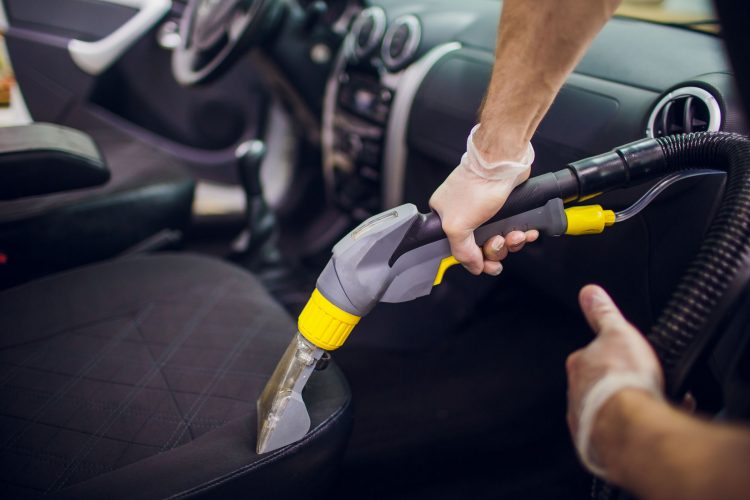
Interior: Vacuum seats, carpets, and floor mats. Wipe down all surfaces. Remove any food items or rubbish. Lingering food attracts pests.
Engine bay: Clean gently with appropriate cleaners. Make sure everything dries completely before storage to prevent rust.
Undercarriage: Rinse underneath if possible. Road salt hiding underneath causes hidden corrosion.
Check and Top Up Fluids
Fresh fluids prevent internal corrosion during storage.
Engine oil: Change oil and filter before storage if the vehicle will sit for more than three months. Old oil contains contaminants harming the engine over time.
Coolant: Check antifreeze levels. Top up if needed. Proper coolant prevents freezing and internal corrosion.
Brake fluid: Top off brake fluid. Low levels allow moisture in, causing brake system corrosion.
Windscreen washer: Fill with winter-grade fluid to prevent freezing.
Fuel: Fill the petrol tank completely. This prevents moisture accumulation inside the tank and keeps seals from drying out. Add fuel stabiliser to prevent petrol degradation.
Battery Care
Batteries discharge over time, especially in cold weather. A flat battery won’t restart your vehicle come spring.
Option 1 – Disconnect: Remove the battery and store it indoors in a cool, dry place. This prevents discharge and cold-weather damage.
Option 2 – Battery tender: Connect a trickle charger or battery maintainer. This keeps the battery charged throughout storage without overcharging.
Option 3 – Periodic charging: If you can access your storage unit regularly, start the vehicle every 2-4 weeks and let it run for 15 minutes. This maintains battery charge and circulates fluids.
Tyre Maintenance
Tyres develop flat spots when a vehicle sits in one position for months.
Inflate properly: Inflate tyres to the manufacturer’s recommended pressure. Some experts suggest slightly overinflating (by 5-10 PSI) for long-term storage.
Use jack stands: For storage over four months, consider placing the vehicle on jack stands. This removes weight from tyres and suspension, preventing flat spots and suspension sag.
Tyre covers: If storing outdoors or in an uncovered area, use tyre covers to protect from UV damage and ozone cracking.
Protect Against Pests
Rodents love warm, dry spaces. Your stored vehicle is perfect nesting territory. Mice and rats chew wiring, insulation, and upholstery, causing hundreds of pounds in damage.
Seal entry points: Close all windows completely. Seal exhaust pipes and air intakes with steel wool or specialised plugs. Check door seals for gaps.
Remove attractions: Take out any food, snacks, or scented items. Even air fresheners attract pests.
Repellents: Place pest repellents inside the vehicle. Options include:
- Mothballs (traditional but odorous)
- Electronic ultrasonic repellents
- Natural deterrents like peppermint oil on cotton balls
- Commercial rodent deterrents designed for vehicles
Regular checks: If possible, check your vehicle monthly for signs of pest activity.
Protect the Exterior
Car cover: Use a breathable car cover. This protects against dust, moisture, and light whilst allowing air circulation. Plastic covers trap moisture, causing mould and corrosion.
Avoid handbrake: For long-term storage, don’t engage the handbrake. Brake pads bond to discs when left engaged for months. Instead, use wheel chocks or leave the vehicle in gear (manual) or park (automatic).
Support the suspension: If not using jack stands, consider slightly overinflating tyres to reduce suspension sag.
Motorcycle-Specific Preparation
Motorcycles need additional preparation beyond cars:
Fuel system: Either drain the fuel system completely or fill it completely with stabiliser. Partially filled systems cause more problems than either extreme.
Oil change: Always change oil before winter storage. Old oil contains acids and contaminants.
Chain maintenance: Clean and lubricate the chain thoroughly.
Stand position: Use a centre stand if available, or a paddock stand to take weight off tyres.
Exhaust plugs: Plug exhaust outlets to prevent moisture and pests entering.
Convertible-Specific Preparation
Soft-top convertibles need special attention:
Hood position: Store with the hood up. This prevents creases in the fabric and maintains the hood’s shape.
Hood treatment: Clean and treat the convertible hood with appropriate products. Apply fabric protector to repel moisture.
Mechanism lubrication: Lubricate all moving parts of the convertible mechanism.
Window care: Ensure windows seal properly. Apply rubber conditioner to seals.
Choosing the Right Storage Environment
Indoor vs Outdoor Storage
Indoor storage offers the best protection:
- Protection from weather
- Stable temperatures
- Better security
- Protection from UV damage
Outdoor covered storage provides basic protection:
- Shields from direct rain and snow
- Some UV protection
- Less expensive than indoor
- Still exposed to temperature fluctuations
Outdoor uncovered storage offers minimal protection:
- Cheapest option
- Requires excellent car cover
- Vehicle still exposed to elements
- Not recommended for valuable vehicles
Climate-Controlled Storage
Climate-controlled units maintain consistent temperature and humidity levels. This prevents:
- Condensation and rust
- Mould and mildew
- Rubber seal degradation
- Paint and finish damage
- Interior material cracking
Climate control costs more but protects valuable vehicles better. Consider it for:
- Classic or vintage vehicles
- High-value sports cars
- Vehicles with leather interiors
- Convertibles with fabric hoods
- Storage periods over six months
Security Features
Look for storage facilities with:
- Perimeter fencing
- Gated access with codes
- CCTV surveillance
- Security lighting
- On-site management
- Individual unit alarms
Better security means better protection for your investment.
Storage Duration Considerations
Short-Term (1-3 months)
For shorter storage periods:
- Fuel stabiliser recommended but not required
- Battery disconnect or tender sufficient
- Oil change less critical
- Basic cleaning and cover adequate
Medium-Term (3-6 months)
Standard seasonal storage preparation:
- Fuel stabiliser required
- Battery tender or disconnect
- Fresh oil recommended
- Thorough cleaning and protection
- Regular checks if possible
Long-Term (6+ months)
Extended storage needs additional care:
- Change all fluids before storage
- Battery tender required
- Jack stands recommended
- Climate control beneficial
- Monthly checks if possible
- Consider professional storage facilities
Retrieving Your Vehicle from Storage
When storage season ends, properly recommission your vehicle:
Inspection
Walk around the vehicle. Check for:
- Pest damage
- Body damage
- Tyre condition
- Fluid leaks
- Cover damage
Fluid Checks
Recheck all fluid levels:
- Engine oil
- Coolant
- Brake fluid
- Power steering fluid
- Windscreen washer
Top up as needed.
Battery
Reconnect or reinstall the battery. Check charge level. If the battery sat without a tender, it needs charging before starting.
Tyres
Remove jack stands if used. Check tyre pressures. Adjust to recommended levels.
Inspect tyres for flat spots. Short trips around the car park help round out minor flat spots.
Starting
Don’t just turn the key and go. Follow this sequence:
- Check for leaks underneath
- Ensure no animals nested under the bonnet
- Turn the key to accessory position (don’t start)
- Wait for fuel pump to prime
- Check warning lights
- Start the engine
- Let it idle for several minutes
- Check all systems (lights, brakes, steering)
- Take a short test drive
- Listen for unusual noises
First Drive
Keep the first drive short. Stay local. Pay attention to:
- Brake performance (first few applications feel spongy)
- Steering response
- Engine performance
- Unusual noises or vibrations
After a day or two of regular driving, recheck all fluid levels.
Common Seasonal Storage Mistakes
Not Using Fuel Stabiliser
Petrol degrades in as little as 30 days. Degraded fuel clogs carburettors and injectors, causes hard starting, and damages fuel systems.
Always use fuel stabiliser for storage over one month.
Leaving the Handbrake On
Brake pads bond to discs during long storage. This causes sticking brakes and uneven braking when you retrieve the vehicle.
Use wheel chocks instead.
Incomplete Cleaning
Trapped dirt, salt, and grime corrode metal over months. What seems like light surface dirt becomes rust patches by spring.
Clean thoroughly before storage.
Skipping Battery Maintenance
A completely flat battery often won’t recover. Replacing batteries costs £50-£150 or more.
Disconnect or maintain the battery properly.
Poor Pest Protection
One mouse family causes hundreds of pounds in damage. They chew wiring, insulation, and upholstery.
Take pest prevention seriously.
Wrong Storage Location
Storing in a damp garage or under trees invites moisture problems and falling debris damage.
Choose your storage location carefully.
Cost Considerations
Storage costs vary widely based on location, facility type, and storage duration.
Indoor Storage
Small vehicle (motorcycle): £40-£80 per month Medium vehicle (car): £80-£150 per month
Large vehicle (van, motorhome): £150-£300 per month
Outdoor Covered Storage
Small vehicle: £25-£50 per month Medium vehicle: £50-£90 per month Large vehicle: £90-£180 per month
Outdoor Uncovered Storage
Small vehicle: £15-£30 per month Medium vehicle: £30-£60 per month Large vehicle: £60-£120 per month
Additional Costs
Budget for:
- Fuel stabiliser: £8-£15
- Battery tender: £20-£60
- Car cover: £30-£150
- Cleaning supplies: £10-£30
- Oil change: £30-£80
- Insurance adjustments: Varies
Money-Saving Tips
Book early: Reserve storage before peak season (September-October) for better rates.
Pay upfront: Many facilities discount 3-6 month prepayments by 10-20%.
Share space: If storing a motorcycle or small vehicle, share a larger unit with a friend.
Choose location wisely: Facilities 20 minutes outside town cost 30-50% less than central locations.
Insurance During Storage
Adjusting Your Policy
Contact your insurer before storage. Options include:
Laid-up cover: Maintains theft and fire coverage whilst removing road use cover. Saves 40-60% on premiums.
Suspended cover: Some insurers let you suspend coverage completely for storage periods. Check legal requirements first.
Comprehensive only: Remove third-party and driving coverage, keep comprehensive protection.
Storage Facility Insurance
Some facilities offer insurance covering stored vehicles. Compare this with your existing policy. Storage facility insurance often has:
- Lower premiums
- Higher excesses
- Limited coverage amounts
- Specific exclusions
Your existing comprehensive policy often provides better protection.
Conclusion
Proper seasonal vehicle preparation for storage protects your investment and keeps your vehicle ready for the next season. Clean thoroughly, maintain fluids, protect against pests, and choose appropriate storage. Whether you’re storing a motorcycle through winter, a convertible during the off-season, or a classic car between shows, these preparation steps keep your vehicle in excellent condition.
The time spent preparing your vehicle properly saves money on repairs and keeps your vehicle performing well when you’re ready to drive again.
How WhatStorage Can Help
WhatStorage simplifies finding seasonal vehicle storage across the UK. Our platform connects you with storage facilities offering various options for cars, motorcycles, caravans, and other seasonal vehicles.
Compare Storage Options
Search for vehicle storage by location, type, and budget. Filter results by:
- Indoor vs outdoor storage
- Climate-controlled options
- Security features
- Access hours
- Pricing
Read Real Reviews
See what other vehicle owners say about facilities. Learn about security, access, and facility condition from people who’ve stored vehicles there.
Find Specialist Storage
Some facilities specialise in specific vehicle types:
- Motorcycle storage
- Classic car storage
- Motorhome and caravan storage
- Performance car storage
Our platform helps you find facilities with experience handling your vehicle type.
Book Directly
Reserve your storage space online. Get transparent pricing with no hidden fees. Manage your booking through our platform.
Get Expert Guidance
Our team provides advice on:
- Choosing the right storage type
- Preparing your vehicle properly
- Understanding insurance requirements
- Seasonal storage timing
Contact us for personalised recommendations based on your vehicle and storage needs.
By using WhatStorage, you efficiently find and book seasonal vehicle storage protecting your investment whilst keeping costs manageable.
Browse Our Storage Guides
Personal Storage
Business Storage
WhatStorage is UK‘s No. 1 Online Marketplace for Self Storage Unit