
Making Space at Home Before the New Year
Making space around your home before the new year doesn’t require a complete overhaul. Most...

If you’re reading this, chances are you’re running out of space. Maybe you’re stuck between house moves, with nowhere to put your sofa. Perhaps you’re renovating and your kitchen’s about to become a building site. Or maybe you have too much stuff and not enough room.
Whatever your reason, you’re probably asking the same question everyone asks: “How much is this going to cost me?” Storage costs in London are typically higher than in other regions of the UK, reflecting the premium for space in the capital. In fact, storage costs in London have increased by 14% year-on-year in 2025, making it even more important to budget carefully.
The short answer? Self storage in London typically costs between £40 and £220 per month, depending on the size of the unit and where in the city it’s located. Like most things in London, the devil is in the details — storage prices work a lot like rent: location is everything, and size matters. To give you a clearer picture, here’s what different unit sizes typically cost in London:
| Unit size | Typical use | Size comparison | Price range (London) | Notes |
|---|---|---|---|---|
| 25 sq ft | Students, seasonal items, small furniture | Phone box / garden shed | £40–£60/mo | Ideal for books, clothes, decorations |
| 50 sq ft | Studio flat contents | Walk-in wardrobe | £60–£90/mo | Fits bed, sofa, appliances, boxes |
| 75–100 sq ft | 1–2 bedroom flat contents | Small bedroom / single garage | £80–£140/mo | Great for house moves or renovations |
| 150 sq ft+ | Family home or business storage | Large garage | £140+/mo | Whole-house contents or business inventory |
Find Your London Storage Unit Today!
Here’s the thing about London—space costs money. And plenty of people need storage for reasons that have nothing to do with “just having too much stuff.” According to the Self Storage Association UK, 40% of customers use storage because they’re moving home, 24% don’t have enough space, and around 8–9% need somewhere to keep things during renovations. Another 9% use storage following major life events like bereavement or separation.
All of this means demand in London stays consistently high, which naturally keeps prices higher than in other parts of the UK. Understanding what drives those prices helps you make smarter decisions.
Generally speaking, the closer you are to the centre of London, the more expensive it is. A storage unit in Knightsbridge or Kensington costs substantially more than the same size unit in Barking or Enfield. We’re talking differences of £30-£50 per month for identical units. Typically, facilities closer to city centres, particularly in London, will have higher costs. Central London (Zones 1-2) commands premium rates because space is scarce and demand is high. Head out to Zones 5-6, and suddenly, storage becomes far more affordable. Storage prices in the North of England are generally more affordable compared to London, offering an alternative for those willing to relocate their storage needs.
Below is an illustration of how storage prices drop as you move away from Central London. (prices shown are for a 50 sq ft unit)
| Area | Example Locations | Price Range | Monthly Saving | Annual Saving |
|---|---|---|---|---|
| Central London | Bloomsbury, Camden, Kensington | £80-100/mo | £0 (baseline) | £0 |
| Inner London | Tottenham, Deptford, Bow | £60-80/mo | Save £20-40/mo | £240-480/year |
| Outer London | Barking, Crayford, Enfield, Ruislip | £45-65/mo | Save £35-55/mo | £420-660/year |
| Beyond M25 | Watford, Staines, Epsom | £48-70/mo | 30-40% cheaper | £360-480/year |
This creates an interesting question: do you need your storage close by, or can you travel a bit further to save money? Storage prices in London drop as you move to suburban or rural areas. If you’re only visiting your unit once a month, that extra 20 minutes to outer London puts hundreds of pounds back in your pocket over a year.
Bigger units cost more—no surprises there. But here’s what catches people out: choosing the wrong size. Too small and you’ll struggle to fit everything, wasting time trying to play Tetris with your belongings. Too large and you’re literally paying to store air. Many people end up paying for more space than they actually use, so it’s crucial to assess your needs carefully.
The interesting part? Larger units offer better value per square foot. A 100 sq ft unit doesn’t cost 4 times as much as a 25 sq ft unit. The price per sq ft drops as you go bigger. So if you’re trying to squeeze into a small unit, check whether the next size up offers better overall value. To make it easier to figure out what size you need, we’ve included a compact version of our size guide below. For more information, please visit our size guide page.
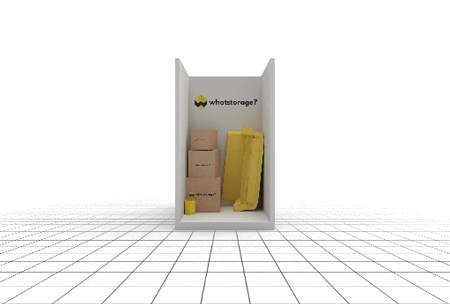
approx 5ft x 5ft
Ideal for storing a single mattress, chairs and stools
Holds 30 medium boxes
The size of a small garden shed
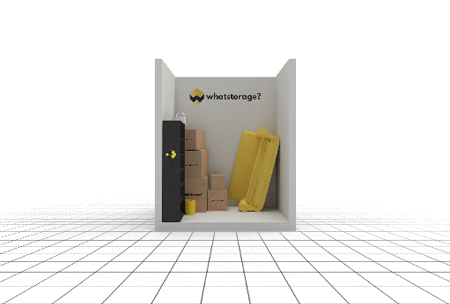 Popular Choice
approx 7ft x 5ft
Great for storing the contents of a one bedroom flat
Holds 35 medium boxes
The size of a standard garden shed
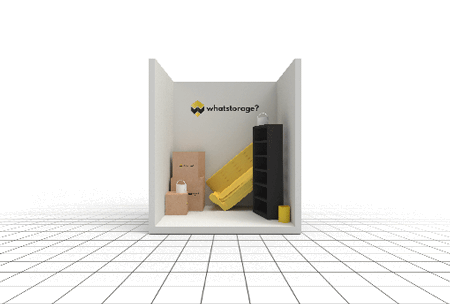
approx 5ft x 10ft
Holds the contents of a standard studio apartment
Holds 50 medium boxes
Half the size of an average single garage
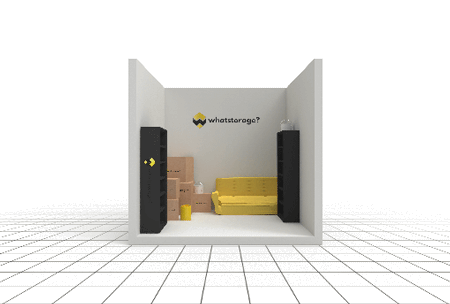
approx 7.5ft x 10ft
Perfect for storing the contents of a small two bedroom house/flat
Holds 75 medium boxes
An equivalent load to one Luton van
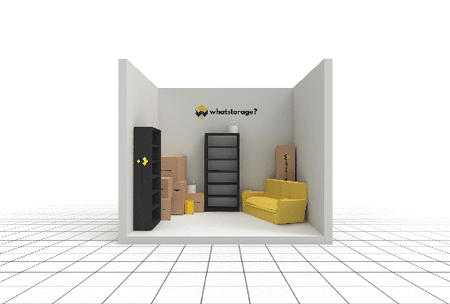
approx 8ft x 10ft
Ideal for storing the contents of a two bedroom flat
Holds 80 medium boxes
An equivalent load to one Luton van

approx 10ft x 10ft
Ideal for storing the contents of a standard two bedroom house/flat
Holds 100 medium boxes
The size of a standard single garage
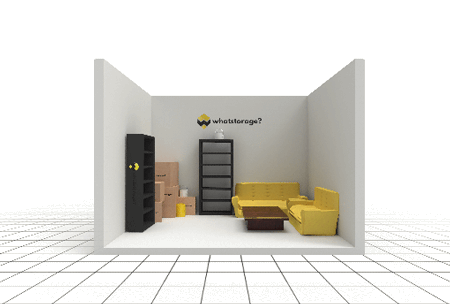
approx 12.5ft x 10ft
Ideal for storing the contents of a three bedroom house
Holds 125 medium boxes
The size of a large single garage or a 7 tonne lorry
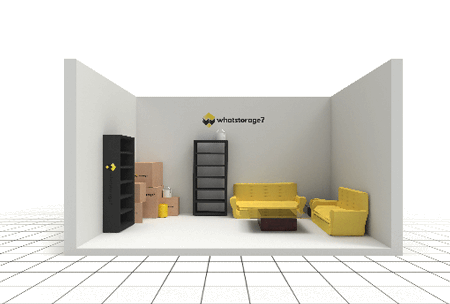
approx 15ft x 10ft
Suitable for the contents of a large three bedroom house
Holds 175 medium boxes
The size of one and a half garages
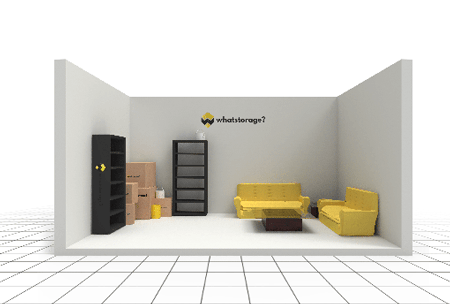
approx 16ft x 10ft
Holds the contents of a three bedroom house
Holds 160 medium boxes
An equivalent load to five Transit vans

approx 10ft x 20ft
Perfect to hold the contents of a four bedroom house
Holds 200 medium boxes
The size of a standard double garage
Summer is the moving season in London. Everyone’s changing flats, students are heading home, and storage facilities know it. Prices peak between May and September when demand soars. Winter months offer better deals as storage companies try to fill empty units. If your timing is flexible, waiting until October or November could save you money.
Most storage providers offer discounts for longer commitments. Pay three months upfront, and you might knock 10-15% off the monthly rate. Some facilities run promotions like “first month for £1” or “50% off your first two months”—these deals are worth grabbing if the ongoing price is competitive.
Most people underestimate. Industry data shows 40% stay over a year, despite planning for just a few months. Here are the three most common storage rental periods:
Most contracts are flexible with 2-4 weeks’ notice. You’re not trapped—just committing to a minimum period for better pricing.
Get Quotes From Nearby
Not all storage units are created equal. Some are basic lockups. Others come with bells and whistles. The features you choose directly impact what you pay. Extra features such as climate control and 24-hour access add to the base storage cost, so consider your needs carefully.

Climate controlled units maintain steady temperature and humidity levels, protecting sensitive items from London’s unpredictable weather. They cost 15–25% more than standard storage, adding roughly £10–£30 to your monthly bill depending on unit size.
So, is it worth the money? It depends on what you’re storing. Wooden furniture hates temperature swings—it warps and cracks. Musical instruments, especially guitars and violins, suffer in fluctuating conditions. Important documents, photographs, electronics, and artwork all benefit from climate control. Basically, if moisture or temperature changes could damage it, the extra cost is worth it.
If you’re storing more durable items like tools, sports gear, garden equipment, or general household items packed in sealed boxes, standard storage is usually perfectly fine — and much cheaper.
Some storage companies offer 24/7 access as part of the price. Others restrict access to business hours or charge extra for evening and weekend visits. If you work irregular hours or might need your stuff at odd times, 24/7 access is worth the small premium. But if you’re storing things you rarely need, limited hours won’t bother you.
Drive-up access at ground level is convenient—you can back your car right up to your unit. It’s also pricier. Upper-floor units accessed via a lift cost less but require more effort to load and unload. Think about how often you’ll visit and how much heavy stuff you’re moving.
All reputable storage facilities provide CCTV, secure gates, and controlled access. These are standard. Enhanced security—individual unit alarms, on-site security guards, and recorded access logs—costs a bit more but protects valuable items more effectively. The Self Storage Association UK sets standards that member facilities must meet, so checking for SSA membership helps ensure you’re choosing secure storage facilities.
Never compromise on security to save £10 a month. Peace of mind is worth far more, and replacing stolen or damaged items costs significantly more than choosing a secure facility from the start. The good news is that modern storage facilities are continually improving: over 80% of UK sites now use monitored CCTV, and around 90% offer online booking. Customers increasingly expect keyless, app-based access, and many newer London facilities are already adopting this technology.
Find Your London Storage Unit Today!
Let’s talk about the complete picture of storage costs. The monthly rate is just one part—there are a few other expenses to factor in. When comparing storage quotes, ask about any additional fees that may not be included in the initial price. Storage services may consist of hidden costs such as security deposits, insurance premiums, and fees for access outside standard hours. Our partner storage facilities are transparent about these costs, and understanding them upfront helps you budget correctly and choose the right facility for your needs.
Storage facilities require proof of insurance based on the replacement value of your items, and this protection is genuinely essential. Some people’s home insurance policies already cover items in storage—it’s worth checking yours first. If not, you can buy storage insurance from the facility or a specialist provider for £5-£15 per month, depending on coverage levels. This gives you peace of mind that your belongings are protected against the unexpected.
Some storage providers charge a one-off administration fee of £10-£30 when you first sign up. This covers the paperwork, account setup, and initial security arrangements. Many storage facilities include this fee as part of their onboarding process. Not all facilities charge this, so it’s worth asking during your initial inquiry. Knowing about it upfront means no surprises on your first bill.
Some storage companies require a one-month rent deposit upfront as a security deposit, which you’ll get back when you leave if the unit’s in good condition. Others operate without any deposit at all. It’s simply a matter of each facility’s policy, so check what applies to your chosen location.

Most storage facilities specify which types of locks work with their security systems. Some provide these as part of your rental, whilst others ask you to purchase a recommended padlock (typically £5-£20). This ensures all units maintain the same security standards, protecting everyone’s belongings.
Storage facilities stock packing materials—boxes, tape, bubble wrap—for customers who need them on the day. These cost more than buying from discount retailers or ordering online in advance. If you’re organised enough to buy packing supplies beforehand, you’ll save roughly 50% compared to on-site purchases. But if you need something in a pinch, it’s there for you.
This is where WhatStorage makes things clearer. Our comparison tool shows transparent pricing from our partner storage facilities side-by-side. You can see the monthly rate alongside information about deposits, insurance requirements, and what’s included. This helps you compare like-for-like and make an informed decision based on the total cost, not just the headline price. No surprises, just clear information from trusted storage providers.

Storage facilities offer more than just space. Some of these services are incredibly useful.
Compare what’s included versus what costs extra at different facilities. One storage company might charge £10 less per month but then add fees for trolley rental, extended access, and insurance. Another might charge slightly more but include everything. The second option often works out cheaper overall.
London has dozens of storage options: national chains, local independents, container storage, and box services. It’s overwhelming.
Every provider structures differently. One could include insurance, and another may offer it for extra. Some provide free trolleys and packing materials, others sell them. Access hours, security levels, and contract terms all vary.
This is where WhatStorage helps. Enter your postcode and unit size once. See prices and features from multiple facilities in your area, clearly compared. No calling around or visiting multiple websites.
Find Your London Storage Unit Today!
London’s storage industry is competitive, which works in your favour. Companies know they’re fighting for your business, so you get better prices, improved facilities, and flexible terms. WhatStorage makes this competition work harder for you—compare prices and features from multiple providers in one place instead of spending hours calling around.
Whether you’re moving house, renovating, running a business, or need breathing room, you’re equipped to find storage that fits your situation and budget. That’s what matters. Get quotes from storage facilities near you through WhatStorage. You’ll find fair prices, secure facilities, and straightforward terms. No surprises, no regrets, just the storage solution you need at a price you can manage.
Making space around your home before the new year doesn’t require a complete overhaul. Most...
If you're reading this, chances are you're running out of space. Maybe you're stuck between...

Living in London means making the most of limited space. Whether you're in a flat...

Your e-commerce business grew 200% last year. Your spare bedroom has been converted into a...

Your tenancy ends in three weeks. You're heading home for the summer. Your landlord or...

Finding the right self storage unit in London goes beyond comparing prices and sizes. Location...

London life moves fast. One day you're settled in your flat, the next you're facing...

Moving house in London ranks among the most stressful life events. Between coordinating removal dates,...