Selling unwanted items online has become a popular way to declutter your home and earn extra money. Whether you’re moving house, downsizing, or simply clearing space, turning your unwanted items into cash offers clear advantages over simply giving them to charity. The benefits of selling online include earning extra income and efficiently reducing clutter while finding new homes for your items. Donating to charity shops is an effective way to get rid of unwanted items after decluttering, especially for those items that may not sell online.
The key to successful online selling lies in proper storage and organisation. Without the right approach, you’ll find yourself drowning in piles of inventory, struggling to locate items when buyers want to purchase them, and potentially damaging valuable pieces before they even reach the market. Computerised inventory management helps in storing and managing inventory effectively, ensuring you can track and locate items with ease. Storage solutions can be enhanced by creating aisles between stacked boxes, allowing for easy access and retrieval of items when needed.
For example, one seller listed unused electronics and clothing online, used a self-storage unit to keep everything organised, and quickly sold most items for a significant profit.
Self storage provides the perfect solution for managing your selling inventory efficiently. Let’s explore the top tips for using storage to maximise your online selling success.
Why Storage Matters for Online Sellers
Selling items online requires time and patience. You can’t expect everything to sell immediately, which means you need dedicated storage space to keep your inventory safe. Your living room quickly becomes unusable when filled with boxes destined for eBay or Facebook Marketplace.
A dedicated storage space – whether in your home or a self storage unit – allows you to:
Keep selling inventory separate from daily life
Protect items from damage whilst awaiting sale
Organise inventory for quick access when buyers purchase
Store shipping materials and packaging supplies
Keep handy tools or supplies for organising and managing inventory
Create a proper workspace for photographing and listing items
Many successful sellers find that renting a storage unit transforms their selling business from a chaotic hassle to a streamlined operation.
Creating an Organised Storage System
The foundation of successful online selling starts with proper organisation. You need your own set of systems that allow you to locate any item quickly. Honesty about a product’s condition reduces the likelihood of returns and fosters trust with buyers, which is crucial for long-term success. Items should be assessed for condition before deciding to sell, donate, or recycle them, ensuring that only quality items are listed for sale.
Categorise Your Inventory
Sort items into clear categories before storing:
Electronics and gadgets
Clothing and accessories
Household items and furniture
Books and media
Collectables and antiques
Small items and miscellany
Store similar items together on designated shelves or in labelled boxes. This makes it easier to locate specific pieces when buyers are ready to purchase.
Use Clear Storage Containers
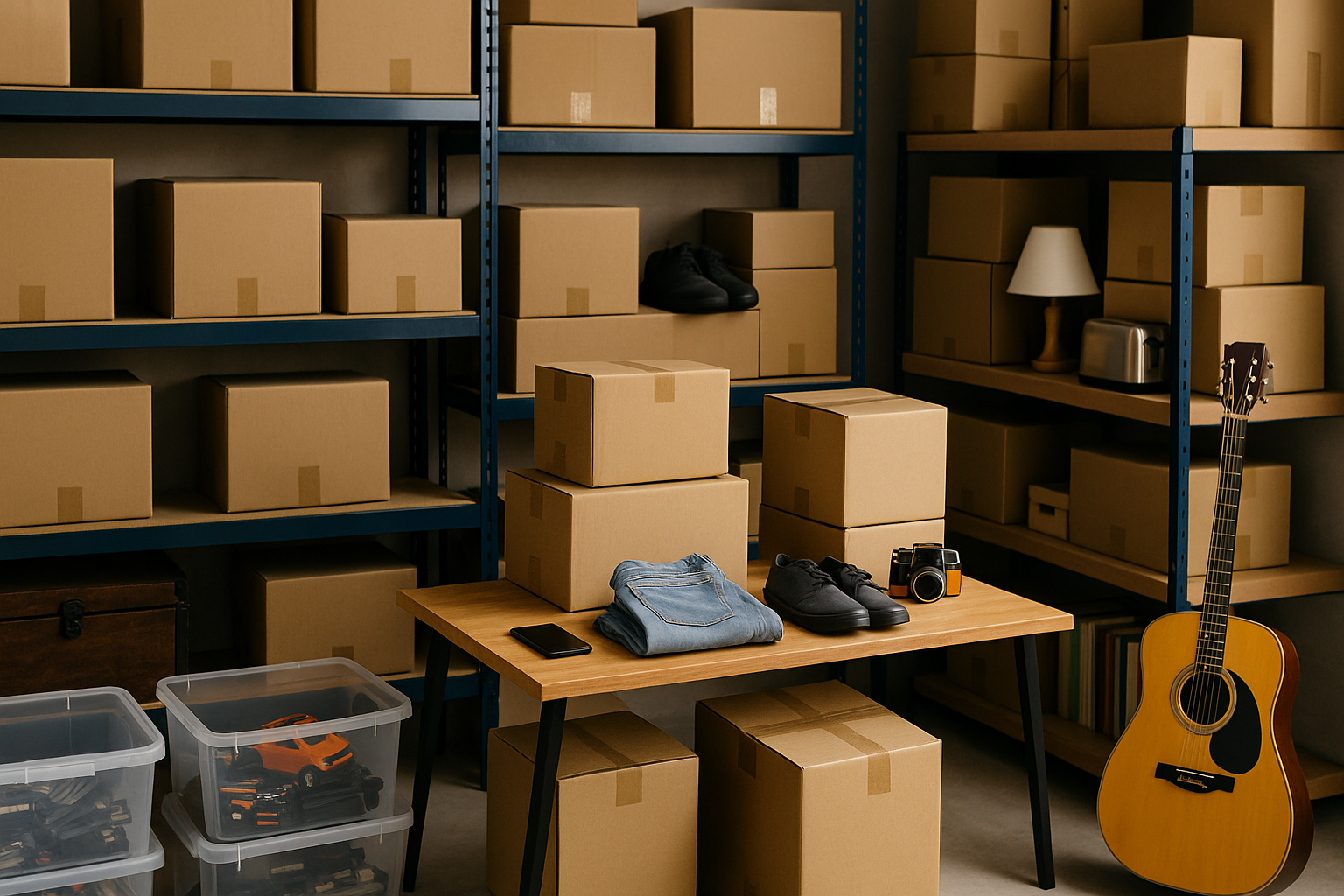
Invest in transparent storage boxes for small items. Being able to see the contents at a glance saves time when preparing shipments. Label everything clearly – you’ll thank yourself later when searching for that specific item a buyer wants. Plastic tubs with lids are handy for keeping items organised and protected from dust or damage. Double-wall appliance boxes can be reinforced for additional strength when storing heavy items.
Create an Inventory Log
Keep a detailed record of everything in storage. Note the item description, condition, asking price, and exact storage location. This becomes invaluable when managing large amounts of inventory across multiple storage areas. Using part numbers for inventory further simplifies listing and tracking items, making the process more efficient. A thorough inventory log also streamlines the ability to create listings on online sales platforms, as you can quickly input product information and manage your inventory with ease.
Setting Up Your Storage Space for Maximum Efficiency
Easy Access is Essential
Arrange your storage so that frequently accessed items stay near the front. Shipping supplies, packaging materials, and recently listed items should be readily accessible. Store seasonal or lower-value items towards the back.
Protect Your Investment
Items won’t sell if they get damaged in storage. Use proper protection:
Wrap fragile items in bubble wrap or tissue paper
Store clothing in a sealed bag or bags to prevent musty odours
Keep electronics in their original boxes when possible
Use furniture covers to protect upholstery from dust
Climate Considerations
Many items are sensitive to temperature and humidity changes. Electronics, leather goods, musical instruments, and antiques can suffer permanent damage in poor conditions. If you’re storing valuable pieces, consider a climate-controlled storage unit to protect your investment.
Streamlining Your Selling Process
Batch Your Activities
Efficiency comes from batching similar tasks together. Set aside specific days for:
Photographing new inventory
Creating listings across different platforms
Packaging sold items for shipment
Sourcing new items to sell
This approach reduces the hassle of constantly switching between tasks and helps maintain momentum in your selling business.
Prepare Items for Photography
Before storing items, give them a proper clean and handle any minor repairs. These steps make your items more appealing to potential buyers. Nothing deters potential buyers more than dirty or visibly damaged goods. Store cleaned, photographed items in a designated “ready to list” area of your storage space. High-quality photos are vital in online selling, as they make your listings stand out and attract more buyers by generating greater interest from potential buyers. Use natural light and a clean background for better photos. Take multiple pictures from different angles to highlight the details and ensure your items look their best.
Organise Shipping Supplies
Dedicate one area of your storage to shipping materials:
Various box sizes for different items
Bubble wrap and packing paper
Shipping labels and tape
Scales for weighing packages
Measuring tape for dimensions
Having everything in one place streamlines the shipping process when items sell.
Choosing What to Sell vs What to Donate
Storage space costs money, so be selective about what deserves room in your inventory. Not everything is worth the time and effort to sell online. It is essential to get rid of items immediately after decluttering to avoid re-cluttering the space and to maintain an organised and efficient storage system.
Items Worth Storing and Selling:
Electronics in working condition
Designer or brand-name clothing
Collectables and antiques
Quality furniture pieces
Sporting goods and equipment
Musical instruments
Consider Donating Instead:
Fast fashion items with little resale value
Books, unless rare or sought-after
Basic household items under £10
Damaged goods requiring expensive repairs
Items that have been sitting unsold for months
When donating to charity shops, remember that only items with some monetary value are suitable, as these shops rely on the resale value of donations. Additionally, ensure that donated items are wearable and usable to meet the acceptance criteria of charity shops.
Regularly reviewing your stored inventory helps you determine when to reduce prices, try different platforms, or donate items to free up space for more profitable pieces.
Maximising Storage in Small Spaces
Not everyone has room for a dedicated storage unit. If you’re working with limited space at home, these tips help maximise what you have:
Utilise Vertical Space
Install shelves up to the ceiling to store lightweight items. Use the top shelves for items you access less frequently.
Under-Bed Storage
Flat items, such as clothing, books, and small electronics, store well under beds in shallow containers.
Seasonal Rotation
Match your selling inventory to seasonal demand. Store winter clothing during summer months and swap it out as seasons change.
When to Consider a Self-Storage Unit
Several factors indicate it might be time to rent a storage unit for your selling business:
Your home storage is overflowing
Family members complain about clutter
You’re struggling to locate specific items
Valuable pieces are getting damaged
You want to scale up your selling operation
Storage units offer several advantages for online sellers:
Security and Protection Professional storage facilities provide better security than most homes. CCTV, controlled access, and individual unit locks protect your inventory from theft.
Climate Control Options Many facilities offer climate-controlled units that maintain stable temperature and humidity levels. This protection proves essential for valuable or sensitive items.
24/7 Access Some storage facilities provide round-the-clock access, allowing you to retrieve sold items or add new inventory outside normal business hours.
Flexible Space You can easily upgrade to larger units as your business grows or downsize when inventory levels drop.
Shipping and Logistics from Storage
Pack Smart from the Start
When storing items, consider how you’ll ship them later. Keep original packaging when possible – it’s often the best protection during shipment and reassures buyers about authenticity.
Pre-Pack Where Possible
For fragile or oddly shaped items, consider a trial pack before storage. Note the materials you’ll need and store them together so you’re prepared for quick shipping when the item sells. Being prepared in advance saves time and helps you respond efficiently to buyers.
Local Collection Options
For larger furniture pieces, consider offering local collection from your storage facility. Many buyers prefer this option for bulky items, and it saves you from shipping hassles. Just be aware of your storage facility’s policies regarding visitor access. Additionally, copy paper boxes can be used to store smaller items and stacked efficiently to save space.
Managing Multiple Sales Platforms
Different platforms are more effective for different types of items. eBay excels for collectables and niche items, whilst Facebook Marketplace is particularly popular for local furniture sales. Your storage system should accommodate this multi-platform approach, helping you manage inventory and listings efficiently across all your sales platforms. Sellers should check which platforms are popular for their items to maximize visibility and sales potential.
Platform-Specific Organisation
Consider dedicating storage areas to different platforms:
eBay items (usually smaller, higher-value pieces)
Facebook Marketplace inventory (often furniture and local pickup items)
Specialist platforms for specific categories
Cross-Platform Listings
Some items benefit from listing on multiple platforms simultaneously. Store these pieces in easily accessible areas since you never know which platform will generate the sale.
The Business Side of Storage
Track Your Costs
Storage costs are a legitimate business expense that should factor into your pricing strategy. These costs can vary depending on location, unit size, and facility features. Keep detailed records of:
Storage unit rental fees
Petrol costs for accessing storage
Additional insurance costs
Storage supplies and equipment
Calculate ROI on Storage Space
Your storage investment should pay for itself through increased sales efficiency and better item protection. If storage costs exceed 10-15% of your monthly sales, reassess your approach.
Keeping Accurate Records for Your Inventory and Sales
Staying on top of your inventory and sales records is a game-changer for any online selling business. By keeping detailed and accurate records, you’ll always know exactly what items you have in stock, which products are selling well, and when it’s time to restock or adjust your listings. Use spreadsheets or inventory management software to log each item, including details like purchase date, cost, sale price, and storage location. Regularly review your records to spot trends—such as which items move quickly and which ones linger—so you can make smarter decisions about what to list or store. Keeping your records up-to-date also helps you avoid overselling, missing shipments, or losing track of valuable inventory. Ultimately, accurate record-keeping saves you time, reduces stress, and gives you the confidence to grow your online business with ease.
Managing Your Time and Prioritising Tasks
For online sellers, effective time management is key to running a smooth and successful business. Start by mapping out your week using a calendar or digital planner, allocating time for essential tasks such as creating listings, packaging sold items, and responding to buyer inquiries. Break larger projects into smaller, manageable steps—this makes big goals feel less overwhelming and helps you stay on track. Prioritise tasks that directly impact your sales, such as updating search results, processing orders, and keeping your inventory organised. Use to-do lists or time-tracking apps to monitor your progress and stay focused. Don’t forget to schedule regular breaks and downtime to recharge—avoiding burnout is just as important as staying productive. By managing your time wisely, you’ll boost your efficiency, keep your business running smoothly, and free up more space in your life for what matters most.
Handling Difficult Buyers with Confidence
Every seller encounters challenging buyers from time to time, but handling these situations with confidence can help you stand out in the online market. When faced with a difficult buyer, remain calm and professional—never let frustration show in your messages. Listen carefully to their concerns and respond promptly with clear, honest information. Offer solutions, such as returns, exchanges, or partial refunds, when appropriate, and always communicate your policies upfront in your listings. Remember, each interaction is a chance to demonstrate your commitment to excellent customer service, which can lead to positive reviews and repeat business. By addressing issues thoughtfully and maintaining your composure, you’ll build trust with buyers and strengthen your reputation as a reliable seller.
Expanding and Growing Your Online Selling Business
Ready to take your online selling business to the next level? Start by identifying new opportunities—perhaps by expanding your product range, improving your listings, or exploring additional platforms like Facebook Marketplace and eBay. Enhance your business’s appeal to potential buyers by offering convenient services, such as shipping labels, vouchers, or bundled deals. Stay informed about the latest trends and best practices by joining online seller communities, attending webinars, or seeking advice from experienced partners. Set clear, achievable goals and track your progress regularly, adjusting your strategy as needed to match market demand. As you grow, consider investing in better storage solutions, upgrading your workspace, or even outsourcing certain tasks to save time. By continuously learning, adapting, and refining your offerings, you’ll increase sales, reach a broader audience, and build a thriving online business that stands out in search results and keeps customers coming back.
Final Thoughts
Successful online selling requires treating your inventory like a proper business. Professional storage and organisation separate casual sellers from those who build sustainable, profitable operations. Good storage and organisation also make it easier to get rid of unwanted items quickly and profitably, helping you maintain a clutter-free and appealing inventory. Fair pricing attracts more buyers and increases the chances of a swift sale, ensuring your efforts yield better results.
Whether you use home storage solutions or invest in a dedicated self storage unit, the key lies in creating systems that protect your inventory, streamline your processes, and support your growth ambitions.
Remember that good storage practices don’t just help you sell more efficiently – they protect your investment in inventory and create a foundation for scaling your operations as demand grows. Start small, stay organised, and let your success guide your storage decisions.