External Lock-Ups for Business Storage: Secure, Accessible Solutions
External lock-ups provide businesses with dedicated storage space outside their main facilities. These standalone units offer direct vehicle access, enhanced security, and the flexibility to store inventory, equipment, and supplies close to your operations without taking up valuable workspace.
Unlike traditional self-storage units located inside buildings, external lock-ups sit at ground level with drive-up access. This makes loading and unloading faster and more efficient. Businesses managing heavy equipment, bulk inventory, or frequent stock movements find external lock-ups save time and reduce handling costs.
This article explores how external lock-ups work for businesses needing secure, accessible storage. From cost savings and operational efficiency to security features and practical applications, external lock-ups provide advantages helping businesses manage their storage needs effectively whilst keeping critical items readily available.
What Are External Lock-Ups?
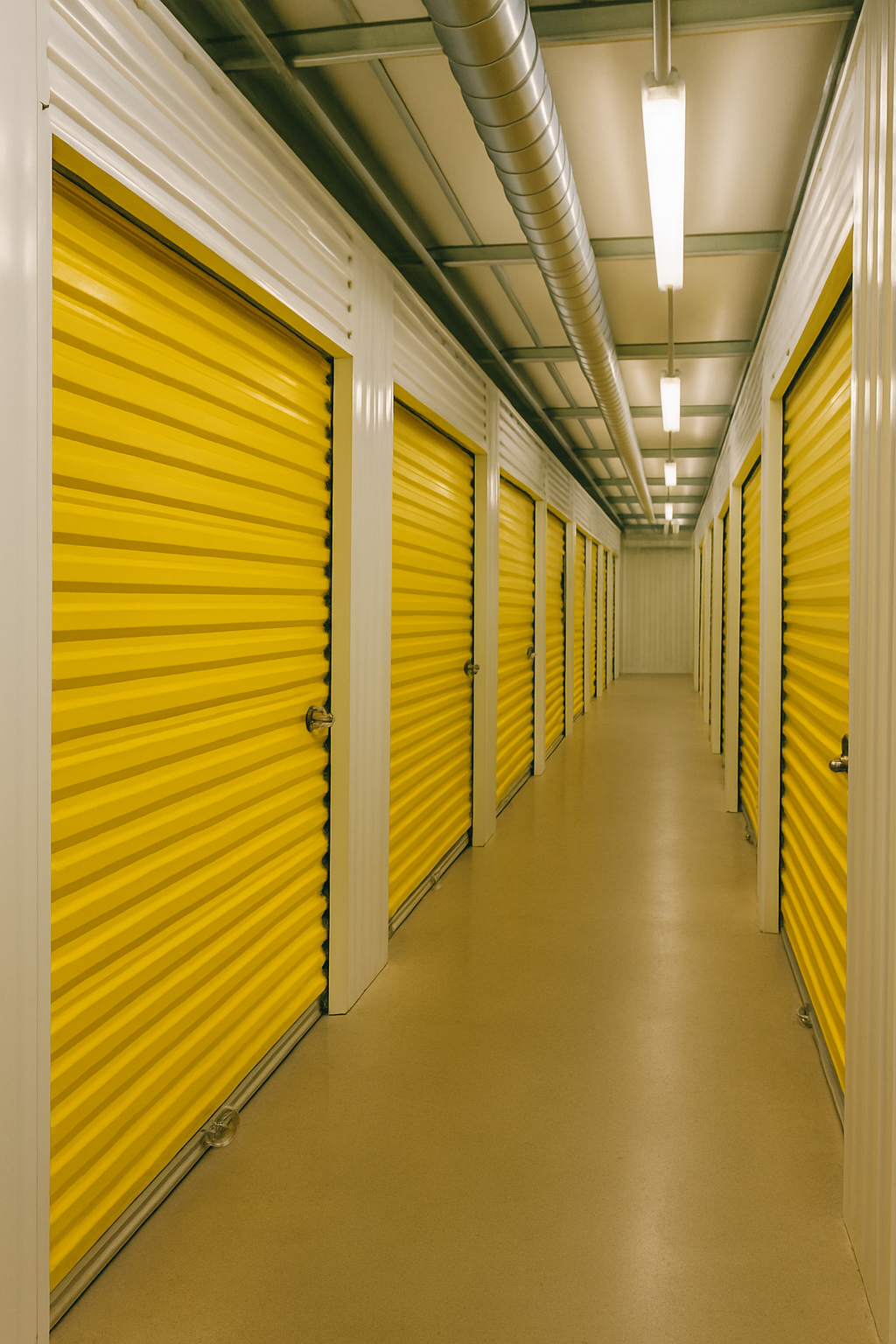
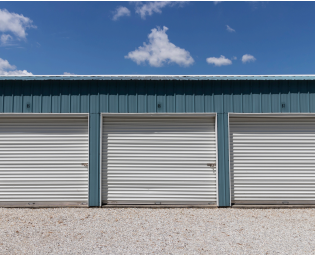
External lock-ups are standalone storage units located outside, typically in rows within a secure facility. They feature individual access doors and allow vehicles to park directly in front for easy loading and unloading.
These units differ from indoor self-storage in several ways:
Ground-level access: No lifts, stairs, or long corridors to navigate.
Drive-up convenience: Park your vehicle directly at the unit door.
Larger dimensions: Often built to accommodate vehicles, equipment, or bulk goods.
Weather-resistant construction: Built to withstand outdoor conditions.
External lock-ups suit businesses needing regular access to stored items without the hassle of navigating indoor facilities.
Benefits of External Lock-Ups for Businesses
Cost-Effective Storage
External lock-ups typically cost less than indoor storage units of comparable size. The construction and maintenance costs are lower, and facilities pass these savings to businesses.
Businesses rent only the space they need. No long-term warehouse leases. No property maintenance costs. No business rates on owned property.
This cost structure helps small to mid-sized businesses manage storage expenses whilst maintaining access to secure space.
Quick and Easy Access
Time matters when running a business. External lock-ups eliminate the time wasted walking through buildings or waiting for lifts.
Drive up. Open your unit. Load or unload. Lock up. Leave.
This convenience particularly helps businesses needing to:
- Restock inventory multiple times weekly
- Access equipment for daily jobs
- Respond quickly to customer orders
- Manage deliveries and collections
Enhanced Security
External lock-ups combine facility-level security with individual unit protection.
Facility security typically includes:
- Perimeter fencing
- Gated entry with access codes
- CCTV surveillance covering all units
- Security lighting throughout
- On-site staff during business hours
Individual unit security features:
- Reinforced doors
- Heavy-duty locks
- Individual alarms (at some facilities)
- Weatherproof construction
This multi-layered approach protects your business assets from theft and damage.
Flexibility and Scalability
Business storage needs change. External lock-ups accommodate this reality with flexible rental terms.
Start with a small unit. Upgrade to a larger one as inventory grows. Downsize during quiet periods. Add a second unit for seasonal stock.
Most facilities offer month-to-month contracts or short-term agreements. This flexibility lets businesses scale storage capacity without long-term commitments.
Protection from Weather
External lock-ups are built to withstand outdoor conditions. Weather-resistant construction keeps contents dry and protected from the elements.
Whilst not climate-controlled like some indoor units, external lock-ups protect items from rain, snow, and direct sunlight. This level of protection suits most business inventory, equipment, and supplies.
Practical Applications for Business External Lock-Ups
Inventory Storage
Businesses with fluctuating inventory levels use external lock-ups to manage overflow stock. E-commerce sellers, retailers, and wholesalers store excess inventory close to their operations without cluttering their main premises.
The drive-up access makes restocking quick. Load products directly from your unit into delivery vehicles without multiple handling steps.
Equipment and Tools
Contractors, tradespeople, and service businesses store tools and equipment in external lock-ups between jobs. The ground-level access makes loading heavy equipment straightforward.
Landscaping businesses store mowers, trimmers, and seasonal equipment. Builders keep tools, ladders, and building supplies organised and accessible. Event companies house staging equipment, sound systems, and lighting.
Vehicle Storage
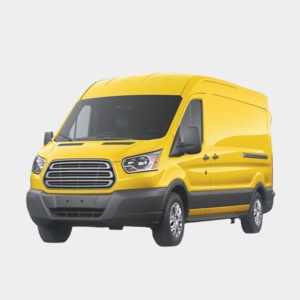
External lock-ups with sufficient space accommodate vehicles. Delivery vans, company cars, trailers, and specialised equipment vehicles store securely when not in use.
This works well for businesses with seasonal vehicle needs or those wanting to protect vehicles from vandalism and weather damage.
Seasonal Business Stock
Businesses with seasonal peaks use external lock-ups to manage inventory fluctuations. Christmas retailers store decorations and stock from January to October. Garden centres keep seasonal plants and supplies. Event businesses house equipment between busy periods.
Store off-season items in your lock-up. Access them when needed. Free up your main premises for current operations.
Overflow from Main Premises
Growing businesses often outgrow their primary location before they’re ready to move. External lock-ups provide immediate additional space without the commitment of larger premises.
Keep your fast-moving inventory at your main location. Store slower-moving items in your lock-up nearby. Access them as needed without the expense of moving to bigger premises.
Distribution and Logistics
Businesses operating across multiple areas use external lock-ups as mini-distribution points. Stock lock-ups in different locations to reduce delivery times and fuel costs.
This approach works particularly well for:
- Multi-site retailers managing stock across branches
- Service businesses covering large geographical areas
- Delivery companies needing local stock points
- Businesses expanding into new markets
Choosing the Right External Lock-Up
Location Matters
Pick a lock-up facility close to your business or key delivery routes. Proximity reduces travel time and fuel costs.
Consider:
- Distance from your main premises
- Access to major roads
- Proximity to customer areas
- Availability of parking for loading
A facility 10 minutes away saves hours over a month compared to one 40 minutes away.
Size Requirements
Assess your storage needs before selecting a unit size. External lock-ups range from small units (similar to a single garage) to large units (accommodating vehicles and extensive inventory).
Consider:
- Current inventory or equipment volume
- Expected growth over the next 6-12 months
- Space needed for vehicle access inside the unit
- Shelving or racking you plan to install
Most facilities let you view units before committing. Take measurements. Visualise how you’ll organise the space.
Access Hours
Check facility access hours carefully. Some external lock-up facilities offer 24/7 access. Others restrict access to business hours.
Match access hours to your operational needs:
- Need early morning access? Verify opening times.
- Work evenings or weekends? Confirm extended access.
- Require emergency access? Check 24/7 availability.
Security Features
Not all external lock-up facilities offer the same security level. Assess security features before committing:
Minimum requirements:
- Perimeter fencing
- Gated access with codes
- CCTV coverage
- Security lighting
Enhanced security:
- On-site staff presence
- Individual unit alarms
- Regular security patrols
- Monitored CCTV with recording
For high-value inventory or equipment, enhanced security justifies higher rental costs.
Insurance Requirements
Check facility insurance requirements. Some require proof of business insurance covering stored items. Others offer facility insurance as an optional extra.
Review your business insurance policy. Verify it covers items stored off-site. Adjust coverage if needed.
External Lock-Ups vs Indoor Storage
External lock-ups aren’t right for every business. Understanding the differences helps you choose the best option.
External lock-ups work best for:
- Businesses needing frequent access
- Heavy or bulky items
- Vehicle storage
- Weather-resistant goods
- Quick loading and unloading
Indoor storage works best for:
- Climate-sensitive items
- Long-term archival storage
- High-value small items
- Businesses with infrequent access needs
- Items requiring temperature control
Some businesses use both. Store documents and climate-sensitive items indoors. Keep inventory and equipment in external lock-ups.
Cost Considerations
External lock-up costs vary by location, size, and security features. Understanding the full cost helps budget accurately.
Typical costs include:
- Monthly or weekly rental fee
- Security deposit (usually one month’s rent)
- Lock purchase (if not provided)
- Insurance (facility or personal)
- Access cards or fobs
Hidden costs to watch for:
- Administration fees
- Late payment charges
- Early termination penalties
- Required insurance through facility
Compare total costs across facilities, not just the advertised rental rate.
Making External Lock-Ups Work Efficiently
Organisation Systems
Maximise your external lock-up efficiency with proper organisation:
Shelving and racking: Install industrial shelving to use vertical space. Keep items off the floor and organised by category.
Labelling: Label everything clearly. Use a numbering or colour-coding system to locate items quickly.
Inventory management: Keep a digital record of what’s stored where. Update it when moving items in or out.
Access zones: Create clear pathways. Keep frequently accessed items near the door. Store occasional-use items at the back.
Security Practices
Protect your business assets with smart security practices:
Quality locks: Invest in high-quality padlocks or disc locks. Cheap locks invite theft.
Regular checks: Visit your unit regularly, even if you don’t need to access contents. Regular presence deters opportunistic theft.
Inventory audits: Conduct periodic inventory checks. Identify discrepancies early.
Insurance documentation: Photograph stored items. Keep receipts and valuation records updated.
Maintenance
Keep your external lock-up in good condition:
Weather checks: Inspect after severe weather. Check for leaks or damage.
Pest prevention: Keep items off the floor. Store goods in sealed containers where appropriate.
Cleanliness: Sweep regularly. Remove packaging and debris.
Equipment care: If storing equipment, perform regular maintenance checks even whilst in storage.
Conclusion
External lock-ups offer businesses a practical solution for secure, accessible storage outside their main premises. With benefits including cost savings, drive-up convenience, enhanced security, and flexible rental terms, external lock-ups help businesses manage inventory, equipment, and supplies efficiently.
The ground-level access and vehicle accommodation make external lock-ups particularly suitable for businesses needing regular access to stored items or managing heavy, bulky goods. By choosing the right facility location, size, and security features, businesses optimise their storage solutions whilst keeping costs manageable.
Whether you’re storing overflow inventory, managing equipment between jobs, or expanding into new areas, external lock-ups provide a scalable storage solution adapting to your business needs.
How WhatStorage Can Help
WhatStorage simplifies finding external lock-ups and other business storage solutions across the UK. Our platform lets you compare facilities based on location, size, security features, and pricing.
Search for external lock-ups near your business. Filter by access hours, security features, and unit size. Read reviews from other businesses. Compare pricing across multiple facilities.
Our network includes facilities offering various external lock-up options, from small units for equipment storage to large units accommodating vehicles and bulk inventory. Whether you need 24/7 access, enhanced security, or specific location requirements, WhatStorage helps you find the right solution.
Book directly through our platform. Get transparent pricing with no hidden fees. Access customer support throughout your search and booking process.
By using WhatStorage, businesses efficiently find and manage external lock-up storage meeting their specific operational needs whilst optimising costs and maintaining security.
Browse Our Storage Guides
Personal Storage
Business Storage
WhatStorage is UK‘s No. 1 Online Marketplace for Self Storage Unit