Self Storage During Divorce
Going through a divorce or separation is one of life’s most difficult transitions. The emotional strain alone is heavy, and it often comes alongside practical decisions about your home, your belongings, and how to move forward in a way that feels manageable.
When one partner moves out or your shared home needs to be sold, sorting through years of possessions can feel overwhelming. A self-storage unit gives you space to pause, breathe, and take things at a steadier pace. Your belongings stay safe and out of the way while you make decisions in your own time.
Whether you’re dividing shared items, keeping things consistent for children, or handling sudden changes, storage offers a bit more calm and control during a period that rarely feels simple.
Why Storage Helps During a Divorce or Separation
During a relationship breakdown, you’re already dealing with more than most people realise. The last thing you need is pressure to make quick decisions about every item in your home.
Using self storage gives you the space to delay these decisions until you feel more settled. A less cluttered environment can ease some of the emotional weight, helping you cope with what’s happening around you. This approach lets you take your time, think things through, and make choices when you’re ready rather than when you feel pushed.
Less Emotional Triggers
Belongings often carry memories. When those items stay in the home during a breakup, emotions can rise quickly. Storing them temporarily reduces this emotional charge, which makes conversations calmer and more practical.
Prevents Rushed Decisions
There’s no need to rush decisions about what to keep, sell, or let go of. A storage unit gives you breathing room for a few months while you work out what matters most for the next stage of your life.0
Helps Reestablish Personal Space
After a breakup, it’s important to feel like your home is yours again. Storing shared items elsewhere helps you reclaim your environment, rebuild a sense of independence, and create a space that reflects your needs moving forward.
Keeping Your Personal Belongings Secure
When one partner leaves your family home, you’ll want to know that your important belongings are protected. Sentimental items, valuables, and important documents need a secure place while you navigate the divorce process.
A self storage facility offers features that provide peace of mind:
Individual unit locks
Only you have the key. Your belongings remain private and secure.
24/7 CCTV surveillance
Modern facilities monitor all areas to keep your possessions safe.
Climate control options
Protects furniture, documents, and treasured items from temperature damage.
Insurance coverage
Most facilities offer insurance for your stored belongings.
When a Self Storage Unit is Useful
When One Partner Moves Out First
The person leaving needs a place to store their belongings. Most rental properties or temporary places don’t have room for furniture and household items.
Storage bridges the gap between leaving your shared home and finding your permanent space. You can pack what’s yours, store it, and retrieve everything once you’re settled.
Downsizing or Moving to Smaller Accommodation
Divorce often means moving from a family home into a smaller flat or rental. Your new place might not accommodate everything, and that’s completely normal. Many people find themselves downsizing after a separation.
You can store furniture, kitchen items, and personal belongings until you find a bigger place. This way, you’re not forced to sell or give away things during an already difficult time.
Sorting Shared Belongings
Dividing years of accumulated possessions takes time, and emotions often run high during separation.
You can place shared items in storage while you create an inventory and gently work through who keeps what. This removes items from your home where seeing them daily might cause additional pain or disagreements. Creating a detailed inventory of stored items helps maintain organisation and can prevent misunderstandings during legal or mediation processes.
Waiting for Your New Home
Finding the right place takes time, and you might not be able to move directly from your old home into your ideal new space.
Storage lets you move forward on your timeline without cramming everything into temporary accommodation. Your belongings wait safely until your new home is ready for you.
How to Choose the Right Storage Unit
Unit size
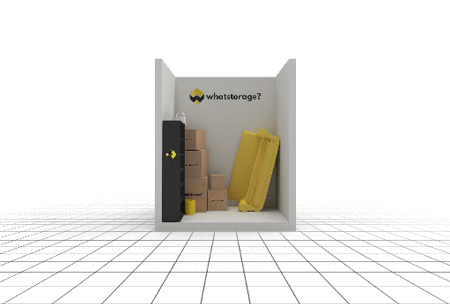
A 50 sq ft unit stores the belongings of a one-bedroom flat. A 100 sq ft unit fits a two-bedroom home’s contents. List what you’re storing and check a storage size guide before booking.
Access hours
If you might need to retrieve items during proceedings or at unexpected times, look for facilities with extended or 24/7 access.
Security features
Individual unit alarms, CCTV, secure access gates, and on-site staff provide reassurance during an already stressful time.
Rental period
Most divorce processes take 6-12 months. Some storage companies offer discounts for longer rentals, which can help if you’re managing finances carefully.
Location
A facility near your new home or your solicitor’s office makes access easier during the process.
Gentle Guidance for Managing Your Belongings
Document With Care
Take photos of furniture and create lists noting the condition of items. This protects both of you during the division of assets and can prevent misunderstandings later. Creating an inventory is important during a divorce to document all belongings, ensuring clarity and fairness in the process.
Keep Important Documents Safe
Store divorce papers, property deeds, financial records, and children’s documents separately. Keep copies with your solicitor. This ensures nothing important gets misplaced during the transition. Both parties in a divorce are legally obligated to provide full disclosure of all assets, including stored items.
Organise Thoughtfully
Pack items by category and label boxes clearly. This makes it easier to find what you need without having to unpack everything when emotions might already be running high.
Give Yourself Time
Storage puts you in a better position to decide what to keep. You’re not making decisions under pressure. A few months of space helps you see more clearly which belongings truly matter for your future.
Protect sensitive items
Items like wooden furniture, electronics, photos, and clothing benefit from climate-controlled storage if you’re keeping them for more than a few months.
How WhatStorage Helps
When you’re going through a divorce or separation, even small practical tasks can feel overwhelming. Looking for storage shouldn’t add to that weight, and WhatStorage is there to make things a little easier.
WhatStorage brings together storage options from different providers across the UK, so you don’t have to search through dozens of websites or make multiple phone calls. You simply enter your postcode and see what’s available nearby, along with the details that matter when life feels unsettled—unit sizes, security features, prices, and rental terms.
Because WhatStorage works with many trusted partners in areas like London, Birmingham, Bristol, and more, you’re able to find options that match your circumstances, whether you need something short-term while you sort things out or a longer arrangement while you get back on your feet.
At a time when so much feels uncertain, having a clear and simple way to sort out storage gives you one less thing to worry about—and a safe place for your belongings while you focus on taking care of yourself.
Find Your Ideal Storage Unit
Ready to compare? Discover the best self storage facilities near you in minutes.
- Free to use - No hidden fees
- Compare facilities in seconds
- Save up to 40% on storage costs
Frequently Asked Questions
Most people find that 50-100 sq ft works well. A 50 sq ft unit holds a one-bedroom flat’s belongings. A 75 sq ft unit can accommodate the contents of a two-bedroom home. Measure your larger pieces and use a size guide to avoid paying for space you won’t use.
Only the person who rents the unit gets access unless you arrange shared access with the facility. Many people rent separate units to maintain boundaries and reduce potential conflict. Each person controls their own belongings.
Most people rent storage for 6-14 months. This covers the divorce process and gives you time to find permanent accommodation. Storage facilities offer flexible terms so you can extend or end your rental as your situation evolves.
Start with essential documents: property deeds, financial records, divorce papers, and insurance documents. Then protect valuables, treasured possessions, and furniture you’ll need in your new home. Electronics and climate-sensitive items benefit from climate-controlled units.
Yes. Some separating couples rent a unit for shared belongings while they work through the inventory and division process. This removes items from your home and gives both of you time to approach decisions fairly. Solicitors can witness the removal and storage of shared assets if needed.
Storage typically costs £40-120 per month, depending on unit size and location. A 50 sq ft unit in most UK cities costs around £60-80 monthly. WhatStorage helps you compare prices to find affordable options near you.
Yes, you can use self storage even after your divorce has been finalised. Many people continue storing their belongings while settling into a new home, taking extra time to organise what they want to keep, or simply needing secure space during the adjustment period. Storage can also be helpful if you’re managing both personal and business items during the transition, giving you one safe, flexible place to keep everything organised.
If you’re navigating other changes like welcoming a new baby, downsizing after retirement or navigating the loss of a loved one alongside your separation, you may also find our full collection of life transition storage guides helpful.
Find Storage During Your Divorce or Seperation
Compare secure storage facilitis near you. Get breathing room while you sort out your next chapter.