What is Self-Storage Tenant Insurance and Why Do You Need It?
Sometimes we just don’t have enough space. Whether we need to store grandma’s china or our dad’s guitar collection, you need to get all the extra stuff out of your home. However, you can’t put them anywhere or throw them out. For most, the answer lies in renting a self-storage unit. While it’s a good solution that most people have relied on for decades, it’s not always the safest option. Unexpected damage, natural disasters, and theft can all deprive you of your valuables. Aside from choosing a reputable, secure provider, how can you protect your stored property? The best answer is storage tenant insurance.What Is Self-Storage Tenant Insurance?
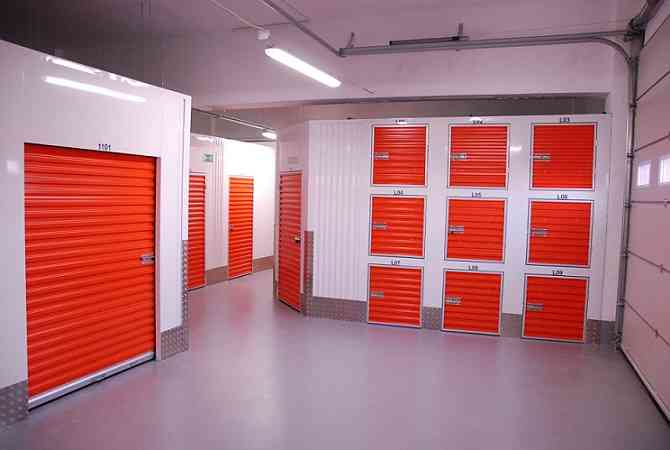
https://commons.wikimedia.org/wiki/File:Kom%C3%B3rki_1_m_self_storage.jpg
No matter how secure a storage facility claims to be, they can’t prepare for every eventuality. Unfortunately, in the event of burglary or damage, your goodies are as good as gone.
While some homeowners and renter’s bundles might insure your items even when stored off-site, others will require you to get separate coverage. That’s where Tenant Insurance comes in.
These plans will usually cover your losses in the event of theft, windstorms, fire, earthquakes, building collapse, vandalism, or even pest damage. However, according to a post by https://www.brokerlink.ca/insurance/bundles, there are a few limitations to this type of coverage, too.

Here’s Why You Need Tenant Insurance
Although we’re aware that our property might be at risk in a self-storage facility, many of us still don’t consider insurance a priority. Even if you’re only storing your goods for a short period, you still need to invest in the right coverage. Here’s why:Security Isn’t Infallible
 https://www.pickpik.com/close-up-shot-rusty-lock-vivid-pink-background-76414
Self-storage facilities will often take several steps to ensure your property is safe. Some even offer services such as silent alarms and access codes. However, regardless of how good the security is, it’s never infallible.
When you’re getting insurance for your storage, check with the broker how your goods will be covered. In some cases, you might need to provide an itemized list of your property before the company will issue your policy.
https://www.pickpik.com/close-up-shot-rusty-lock-vivid-pink-background-76414
Self-storage facilities will often take several steps to ensure your property is safe. Some even offer services such as silent alarms and access codes. However, regardless of how good the security is, it’s never infallible.
When you’re getting insurance for your storage, check with the broker how your goods will be covered. In some cases, you might need to provide an itemized list of your property before the company will issue your policy.